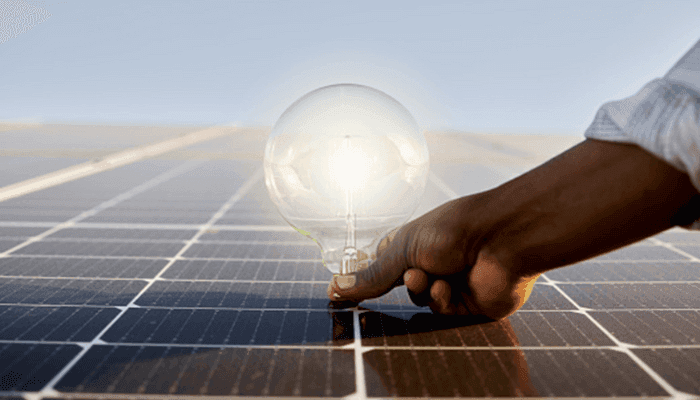
A groundbreaking analysis from the International Renewable Energy Agency (IRENA) is reshaping the conversation around renewable energy and land use. The report makes a compelling case that solar energy installations and agricultural production don't have to be competitors—in fact, when combined strategically, they can create powerful synergies that benefit food security, clean energy goals, and ecosystem health.
The Problem of Degraded Land
The report focuses significant attention on 'degraded land'—areas where soil health, biodiversity, and productivity have declined due to human activities like intensive farming, deforestation, or overgrazing. Restoring this land is ecologically vital but often economically challenging for landowners.
Introducing Agrivoltaics
The solution explored is 'agrivoltaics,' the co-location of solar photovoltaic panels and agricultural activities. In these systems, solar panels are mounted at an elevated height with sufficient spacing, allowing crops to grow or livestock to graze beneath them. This setup transforms the relationship between the two land uses.
Dual Benefits for Crops and Land
The IRENA analysis details multiple agricultural advantages. The partial shade from panels creates a moderated microclimate, reducing soil moisture evaporation (lowering irrigation needs) and protecting plants from heat stress and some extreme weather. For the land itself, the establishment of a solar project provides a financial incentive to halt degrading practices like intensive tilling, allowing for soil rest and regeneration practices to begin.
A Path Forward
This model presents a tangible path to address the 'food vs. fuel' debate. By leveraging agrivoltaics on already-degraded land, countries can expand clean energy capacity without sacrificing arable land, and even enhance it. The report positions this approach as a key strategy for sustainable development, particularly in sun-rich regions facing land degradation challenges.