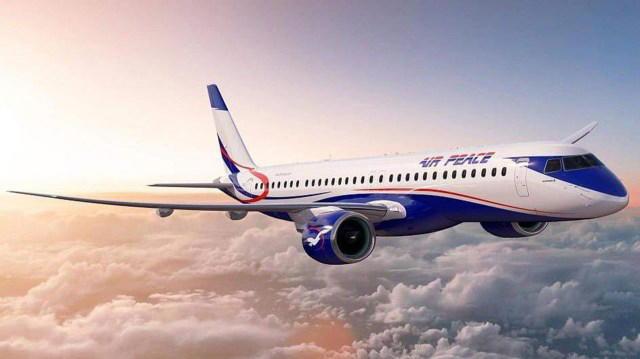
The departure hall at Murtala Muhammed International Airport in Lagos hums with a tense, frustrated energy. A family huddles around a pile of suitcases, their faces etched with exhaustion. A young businessman paces near a silent information board, phone pressed to his ear. These scenes have become increasingly common for passengers of Air Peace, Nigeria's largest carrier, prompting the country's aviation watchdog to step in.
In a decisive move, the Nigerian Civil Aviation Authority has officially summoned the management of Air Peace for an urgent meeting. The summons comes in direct response to a growing number of incidents where flights were significantly disrupted or canceled outright, leaving travelers stranded at airports across the country and abroad. For many passengers, the call from the NCAA represents a long-awaited intervention into what they describe as a pattern of poor communication and operational instability.
One passenger, who asked not to be named, recounted a recent ordeal. "We were at the gate for hours with no explanation," they said. "Then, they just told us the flight was canceled. No hotel, no reschedule, just 'sorry.'" This testimony echoes dozens of similar complaints that have flooded social media and travel forums in recent weeks, painting a picture of systemic breakdowns in customer service and flight logistics.
While the specific agenda for the meeting between the NCAA and Air Peace executives has not been publicly detailed, the core issue is clear: the airline must provide a satisfactory explanation for the disruptions and present a concrete plan to prevent their recurrence. The regulator possesses broad authority to enforce compliance with operational and safety standards, which includes ensuring airlines have the resources and procedures to manage their schedules reliably. A failure to address these concerns could lead to regulatory sanctions.
For Air Peace, which has positioned itself as a national champion and a key player on international routes like Lagos-London, the summons is a significant reputational blow. Operational reliability is the bedrock of customer trust in the competitive aviation industry. Repeated incidents of stranding passengers not only damage brand loyalty but also raise questions about the airline's internal management and contingency planning during unforeseen operational challenges.
The timing of these disruptions is particularly sensitive. The Nigerian aviation sector is striving to rebuild passenger confidence and attract more investment. Persistent problems at a flagship carrier like Air Peace risk undermining broader sectoral recovery efforts and could deter potential travelers, both domestic and international, from choosing Nigerian airlines. The NCAA's action signals that such operational failures will not be tolerated as the industry seeks to grow.
Passengers directly affected by the cancellations are now watching closely. Many are seeking not just explanations but compensation for incurred costs—hotel stays, missed appointments, and alternative travel arrangements. Their experiences will form a critical part of the context for the NCAA's evaluation of Air Peace's response. The human impact of these disruptions, the stress and financial loss, is the central issue the regulator must now address.
The outcome of this high-stakes meeting will soon become clear. The NCAA has demanded answers, and Air Peace management must now provide them, along with a credible path forward to restore schedule integrity and passenger confidence. All eyes are on the regulator's next move, which will determine whether this summons leads to lasting operational change or merely becomes another chapter in a frustrating saga for Nigerian air travelers.