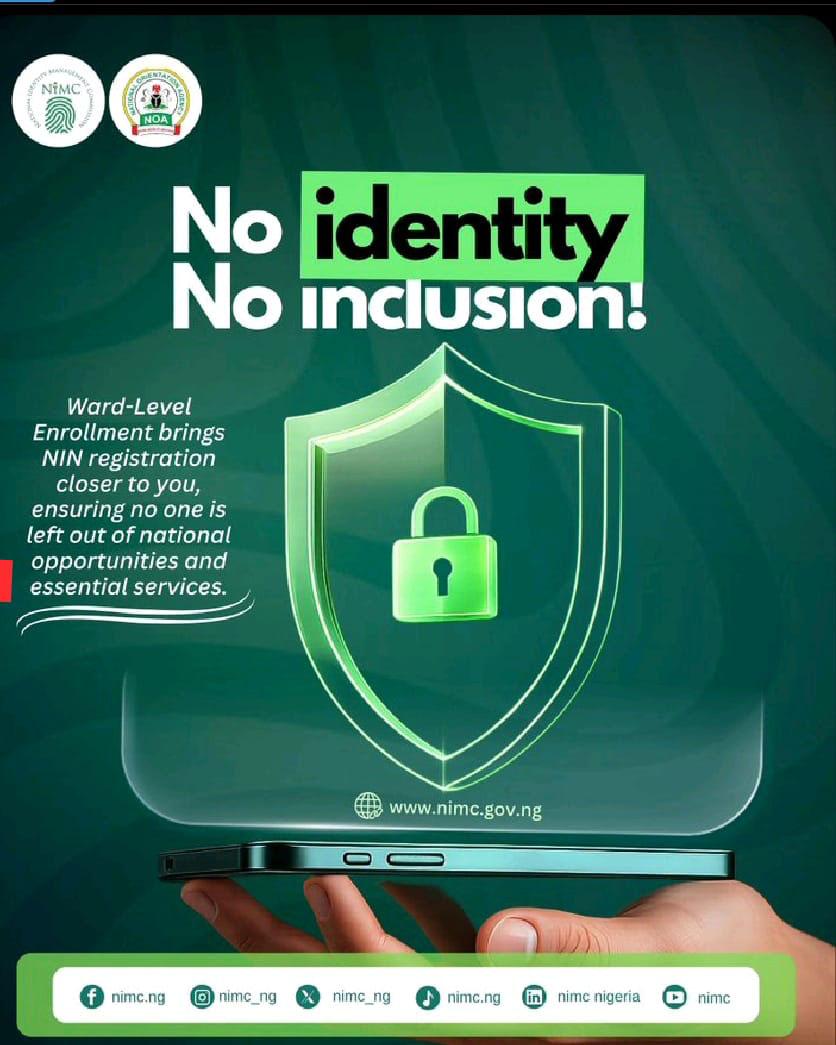
A mandatory digital identity system in Nigeria is reportedly transforming basic rights into privileges, creating widespread hardship for citizens. The program, which requires biometric registration for access to essential services, has become a significant barrier for millions. This technological gatekeeping is affecting fundamental aspects of daily life, from financial transactions to social welfare.
Citizens across the country report being locked out of banking services because their digital identity profiles are incomplete or unverified. Without a functioning digital ID, individuals cannot open new accounts, access loans, or in some cases, even withdraw their own money. The system's failure to account for technical glitches and poor network coverage has exacerbated the problem, particularly in rural areas.
The digital identity requirement extends beyond finance, impacting access to government assistance programs and public utilities. Families seeking subsidies for food or fuel have been turned away due to registration issues. Students attempting to register for national examinations have faced similar obstacles, with their academic futures held hostage by biometric verification failures.
Critics argue the system's design inherently disadvantages the elderly, the poor, and those in regions with unreliable infrastructure. For these populations, navigating the complex online registration portals or traveling to distant enrollment centers is often impossible. The result is a growing digital underclass, systematically excluded from the formal economy and state support.
The program's rollout has lacked sufficient public education, leaving many unaware of the steps required to comply. Widespread confusion about deadlines, required documents, and troubleshooting procedures has led to mass non-compliance not out of defiance, but necessity. This communication failure has turned a tool meant for inclusion into one of exclusion.
Legal scholars point out that conditioning basic rights on technological compliance may conflict with constitutional guarantees. The right to participate in the economy, to education, and to social security are being effectively mediated by a digital system prone to error. This shift represents a fundamental change in the relationship between the state and citizen, with access becoming contingent on successful data processing.
The economic impact is severe, with informal sector workers—who constitute a majority of the workforce—unable to formalize their businesses or access credit. Small traders, artisans, and farmers find themselves unable to engage with digital payment systems increasingly required by suppliers and customers. This digital barrier is stifling entrepreneurship and entrenching poverty.
Moving forward, the government faces mounting pressure to implement immediate fixes, including offline verification alternatives and a grace period for critical services. Civil society groups are demanding a comprehensive audit of the system's impact and a halt to making digital ID mandatory for essential rights. The coming weeks will test whether the regime can adapt to prevent a full-scale humanitarian crisis triggered by its own technology.