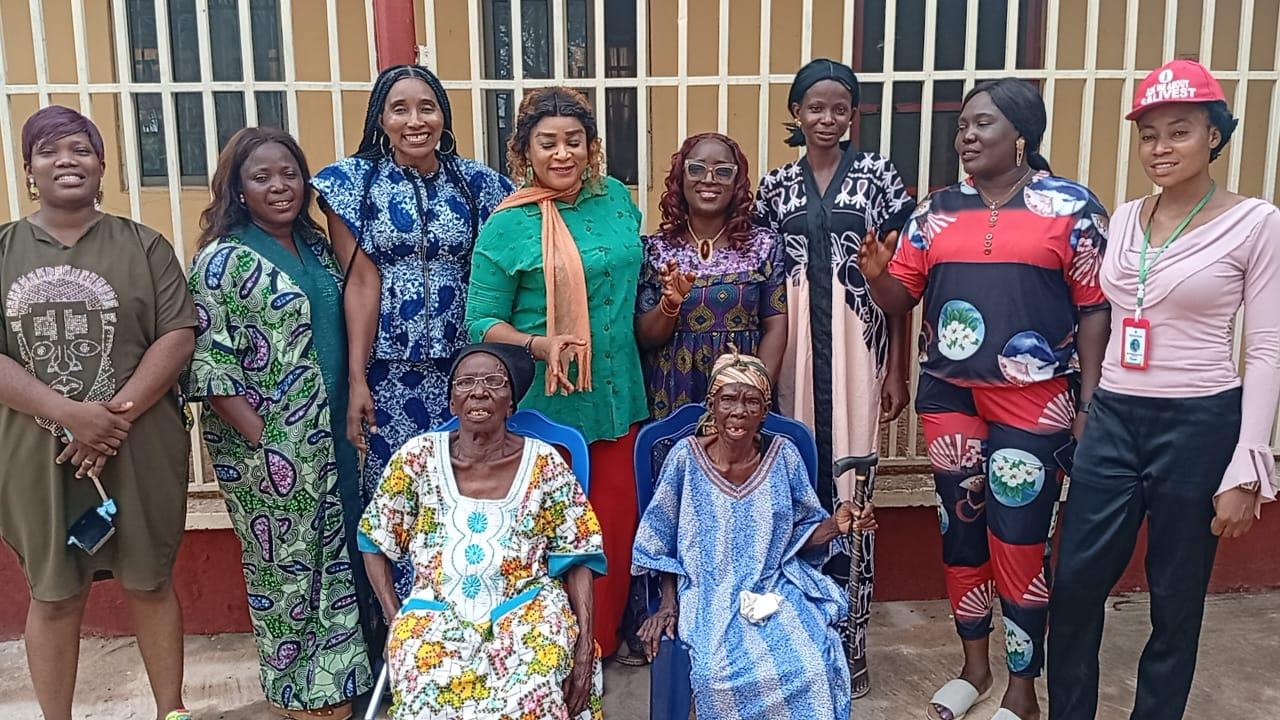
The women journalists of Edo State are putting a spotlight on a quiet crisis. The Nigeria Association of Women Journalists (NAWOJ) in the state has just made a public appeal, urging everyone to step up support for elderly care. It's a call that goes beyond just policy—it's about community responsibility.
Here's the thing: NAWOJ isn't a government body, but its voice carries weight. As a professional association of women in media, they're using their platform to advocate for a vulnerable group. Their call suggests they see a gap that needs filling, whether it's in social services, family support, or public awareness.
So what does this mean for everyday people in Edo? It's a reminder that caring for our elders isn't just a family issue—it's a community one. The journalists are essentially saying we can't just assume someone else is handling it. They're pushing this topic back into the public conversation where it belongs.
Think about the timing, too. With shifting family structures and economic pressures, traditional support systems are often stretched thin. NAWOJ's appeal hints at these underlying strains. They're pointing out that the old ways of caring might not be enough anymore, and that's something a lot of families can probably relate to.
Now, the group hasn't released a detailed policy paper, but that's not really the point. Their role here is as a catalyst. By making this statement, they're trying to spark action from others—maybe from local government officials, from community leaders, or from regular folks who can check in on an older neighbor.
It's also a story about who gets to set the agenda. Women journalists are specifically choosing to champion this cause. That tells you something about what they're seeing and hearing on the ground. They're likely witnessing stories that don't always make the front page but are deeply affecting families across the state.
What does 'support' actually look like, though? It could mean anything from advocating for better healthcare access to promoting social programs that combat loneliness. It might also mean challenging the stigma that sometimes comes with aging. NAWOJ's broad call opens the door for all these conversations.
Ultimately, this is about dignity. The journalists are arguing that how a society treats its oldest members is a measure of its character. It's a simple but powerful idea. We'll be watching to see if this call leads to concrete proposals or new collaborations in the coming months—that's the next step to look for.