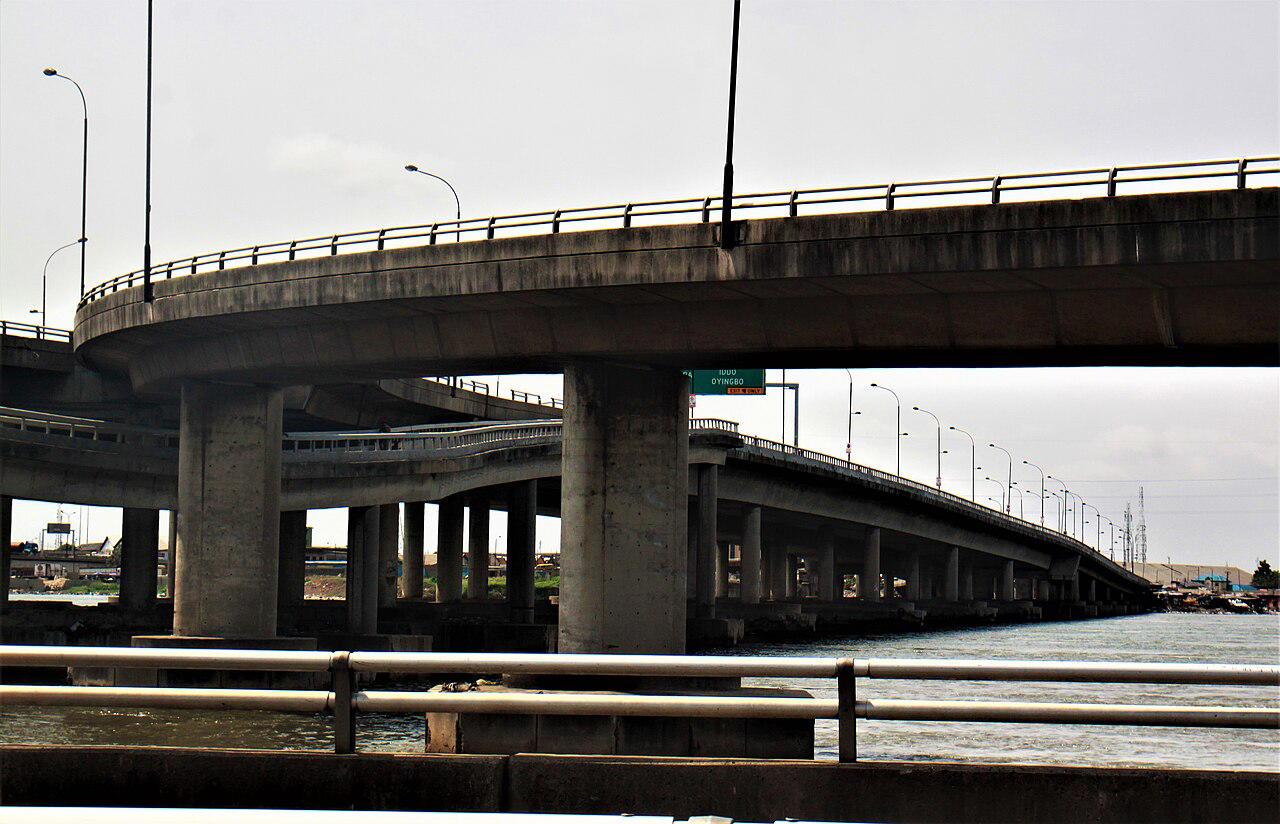
The Federal Executive Council (FEC) has given a crucial approval for the demolition and subsequent reconstruction of the Carter Bridge in Lagos. This decision was announced by the Minister of Works, David Umahi, on Wednesday following an FEC meeting chaired by President Bola Tinubu at the State House in Abuja. The Carter Bridge is a vital infrastructure link connecting Lagos Island to the mainland, serving as a major traffic corridor for the bustling commercial capital.
Minister Umahi provided specific details, stating the council approved the sum of N5.6 billion for advanced engineering consultants to handle the design and costing of the new bridge. He quoted the technical assessment, noting, 'The total recommendation was that Carter Bridge can no longer be rehabilitated; it should be demolished and then a new bridge constructed.' This signals a complete infrastructural replacement rather than a patchwork repair for the aging structure.
In a broader context of project delivery, Umahi also outlined an ambitious target for the administration. The minister said the council is aiming for the commissioning of at least four completed projects per zone by May 15. This timeline indicates a push for visible results across the country's geopolitical zones as the government seeks to demonstrate progress on infrastructure development within a specific timeframe.
Separately, the nation's electoral body has voiced significant concerns that could impact future governance. The Independent National Electoral Commission (INEC) lamented that recurring leadership tussles and protracted intra-party disputes are diverting its attention from core election planning. INEC Chairman, Prof. Joash Amupitan, SAN, raised this concern at the opening of a three-day Technical Review Workshop in Ikot Ekpene, Akwa Ibom State.
The workshop, which is supported by the Westminster Foundation for Democracy, is aimed at strengthening the electoral framework and ensuring compliance with the new law. These preparations are intensifying ahead of the 2027 general elections. INEC's warning suggests that internal political conflicts within parties are not just internal matters but have tangible consequences for national electoral preparedness and could be contributing to voter apathy.
On a state level, security infrastructure in Lagos is receiving focused attention. In his first 100 days, Dr. Ayodele Ogunsan has strengthened the Lagos State Security Trust Fund’s financial base through new fundraising channels and high-level stakeholder engagements. His efforts have included reviving retail donation platforms and deploying 80 additional patrol vehicles to bolster security across the metropolis.
Further initiatives under Ogunsan's leadership include securing further vehicle donations from automobile manufacturers and commencing repairs of abandoned Armoured Personnel Carriers. To ensure transparency, he introduced a monitoring team to guarantee accountability of donated assets, supported tertiary institutions with security vehicles and equipment, sustained close collaboration with security agencies, and secured a sole donor for a permanent office complex now under construction.
Beyond these domestic developments, Nigeria faces significant challenges in other sectors. The country bears one of the heaviest burdens of Neglected Tropical Diseases (NTDs) in Africa. Diseases such as lymphatic filariasis (elephantiasis), onchocerciasis (river blindness), schistosomiasis, soil-transmitted helminths, trachoma, and leprosy continue to affect millions of Nigerians, representing a persistent public health crisis that demands sustained intervention and resources.