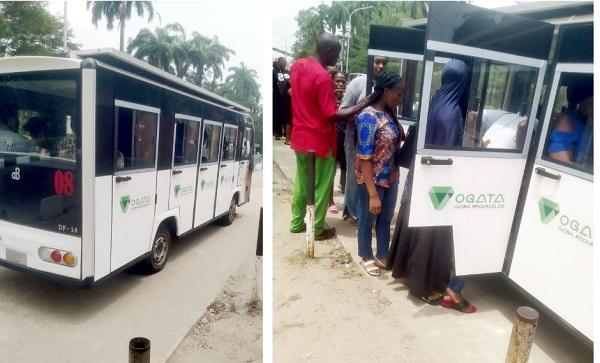
The familiar soundtrack of the University of Lagos (UNILAG)—the rumble of diesel engines, the honking of taxis, the sputter of motorcycles—is being replaced. A new, quiet hum now glides along the pathways between the Faculty of Engineering and the Senate Building. This marks the arrival of UNILAG's green ride program: a fleet of sleek, white electric vehicles (EVs) that is doing more than just moving students; it's fundamentally reshaping campus mobility, air quality, and daily life.
From Chaos to Clean: The Student Experience
Students like Chiamaka Nwosu, a third-year Environmental Science major, describe the difference as immediate. 'The first time I took one, I couldn't believe how quiet it was,' she says. 'You can actually have a conversation without yelling. And the air just smells...cleaner.' Her observation highlights the dual impact: a drastic reduction in both noise and air pollution on a campus once choked by traffic during peak hours.
The Long Road to a Green Fleet
This transformation didn't happen overnight. It's the result of years of sustained student advocacy and administrative planning aimed at modernizing aging infrastructure. The old system relied on a patchwork of petrol-powered buses and a chaotic influx of private taxis and 'okadas' (commercial motorcycles). This created notorious bottlenecks at campus gates and contributed to a persistent haze over academic blocks.
The new electric fleet offers a scheduled, on-demand service along designated routes, bringing order and intentionality to campus transit.
Logistical Hurdles and Charging Ahead
The rollout faced significant challenges. Installing a reliable network of charging stations required a months-long project to upgrade parts of the university's electrical grid, coordinated with the Lagos power authority. Comprehensive training for drivers and maintenance staff on the new EV technology was also crucial for a smooth launch.
The success at UNILAG serves as a potential blueprint for other Nigerian and African universities grappling with similar issues of congestion, pollution, and outdated transport systems. The quiet revolution on campus is a loud statement about the future of sustainable urban mobility.