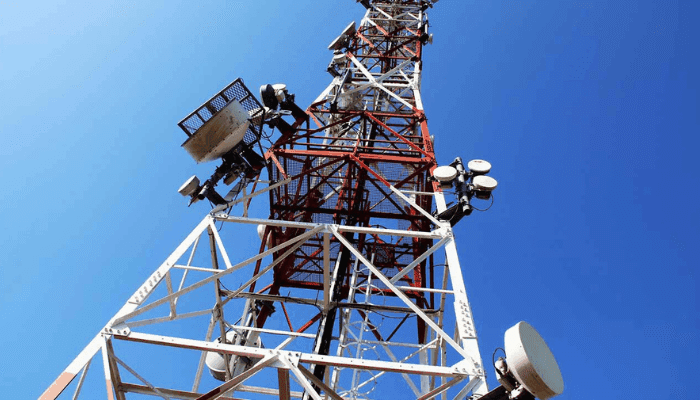
Nigeria's massive telecom sector, connecting millions of people and businesses, is undergoing a quiet revolution. The catalyst isn't a new 5G rollout or a massive foreign investment—it's sunlight.
The Core Idea: Transparency as a Tool
Regulators at the Nigerian Communications Commission (NCC) are championing a concept known as 'regulation by sunlight.' The premise is simple but powerful: by forcing telecom companies to make key operational data public, the resulting scrutiny will incentivize better performance. This means potentially publishing service quality reports, detailed pricing breakdowns, and statistics on how customer complaints are resolved.
Power Shift to the Consumer
For the average Nigerian dealing with dropped calls, slow data speeds, or confusing billing, this could be a game-changer. Instead of relying on anecdotes or marketing, consumers may soon have access to standardized, comparable data. This transforms personal frustration into a public metric that companies cannot easily dismiss. The hope is that a public 'scoreboard' will create competitive pressure to improve, putting power directly into the pockets of subscribers.
The Implementation Challenge
However, the success of this model hinges on execution. Transparency only works if the information published is accurate, timely, and comprehensible. Regulators face the dual challenge of ensuring data integrity—preventing it from becoming corporate spin—and presenting it in a clear, accessible format. If the reports are overly technical or difficult to find, the 'sunlight' fails to reach the public.
A New Era for Telecom Companies
For the telecom operators, this signifies a fundamental shift in how they operate. Network outages, price changes, and service failures transition from internal matters to public events. This new reality will demand more careful planning, proactive communication, and a greater focus on consistent service delivery. While some may view it as a regulatory burden, forward-thinking companies could leverage transparency to build unprecedented trust with their customer base.
The Bigger Picture
This push for openness isn't happening in isolation. Nigeria's telecom sector forms a critical part of the nation's economic infrastructure. More reliable and fair networks don't just mean fewer dropped calls; they support digital commerce, enable remote work, and strengthen the entire digital economy. The 'sunlight' strategy is ultimately a bet that transparency can strengthen this vital backbone for the benefit of all Nigerians.