Lagos, Nigeria's relentless commercial capital, is experiencing a profound cultural metamorphosis. The +234 Art Fair has opened, not confined to a single gallery but spilling into the city's very fabric. The event's name, taken from the nation's international dialing code, is a deliberate declaration: this is a celebration of art made in and for Nigeria.
A Platform for Paint and Pixels
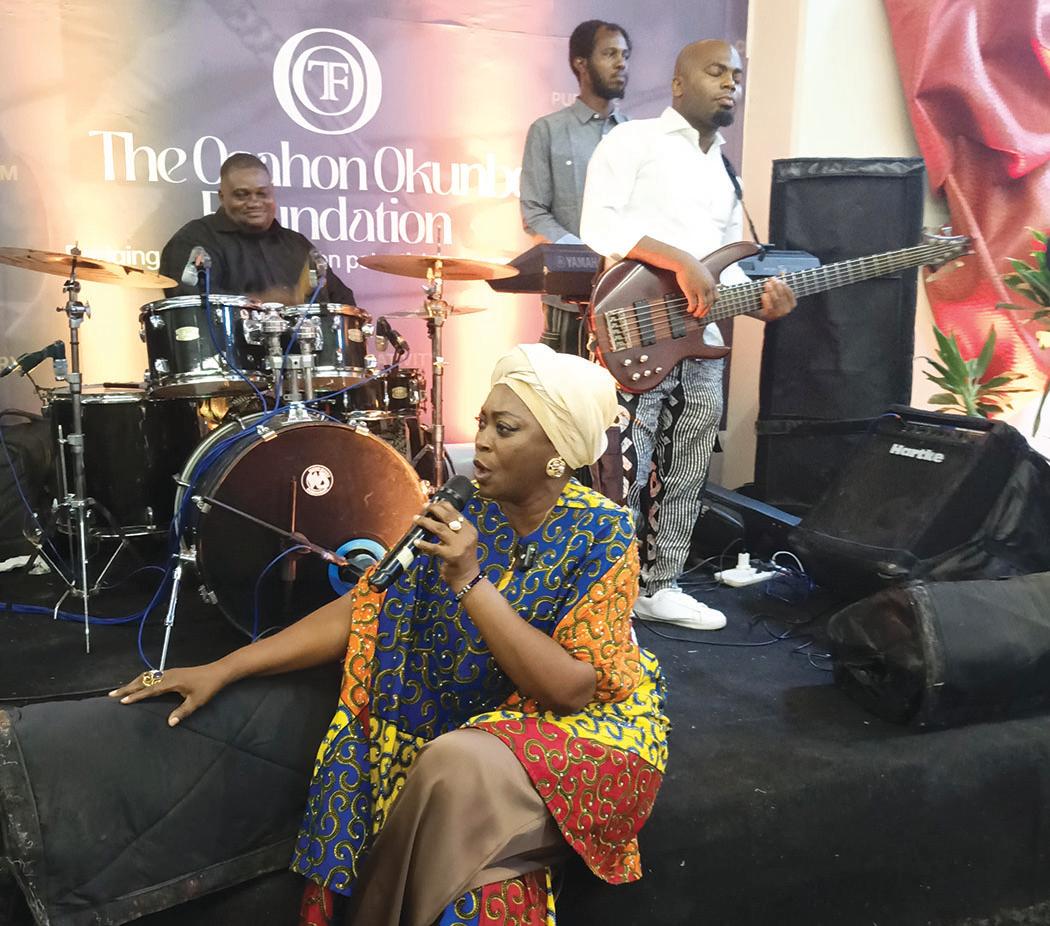
The fair acts as a centralized stage for Nigeria's diverse artistic voices. It consciously bridges generations and mediums, placing traditional practices like painting and sculpture in dialogue with digital art, animation, and NFT-based work. This 'paint and pixels' philosophy directly mirrors Nigeria's own identity—a nation deeply rooted in rich history while racing toward a tech-driven future. The inclusion of live, performative 'pulse' elements ensures the experience engages all the senses.
Fueling a Decade of Growth
This event arrives at a pivotal moment. Over the past ten years, Nigeria's contemporary art scene has surged onto the global stage. Galleries in Lagos and Abuja now command international attention, and Nigerian artists regularly achieve record-breaking sales at major auctions worldwide. The +234 Art Fair is critical infrastructure for sustaining this momentum. By attracting collectors, critics, and cultural tourists to Lagos, it helps build a robust, sustainable local art market that benefits artists directly.
The 'City as Venue' Model
What sets this fair apart is its scale and accessibility. By adopting a 'city takeover' model, with installations and events across multiple public and private venues, it demystifies contemporary art. It moves beyond the white cube gallery, inviting every Lagosian to encounter creativity in their daily commute, in a park, or in a repurposed urban space. This strategy not only broadens the audience but also reinforces Lagos's status as a multidisciplinary African cultural hub, complementing its world-famous music and film industries.
The Road Ahead
The +234 Art Fair represents more than a week-long event; it's a benchmark for the future of cultural production in Africa. By championing accessibility, technological integration, and local market development, it provides a blueprint for how art fairs can genuinely serve and reflect their communities. As the fair continues, all eyes will be on the dialogues it sparks and the opportunities it creates for the next generation of Nigerian artists.