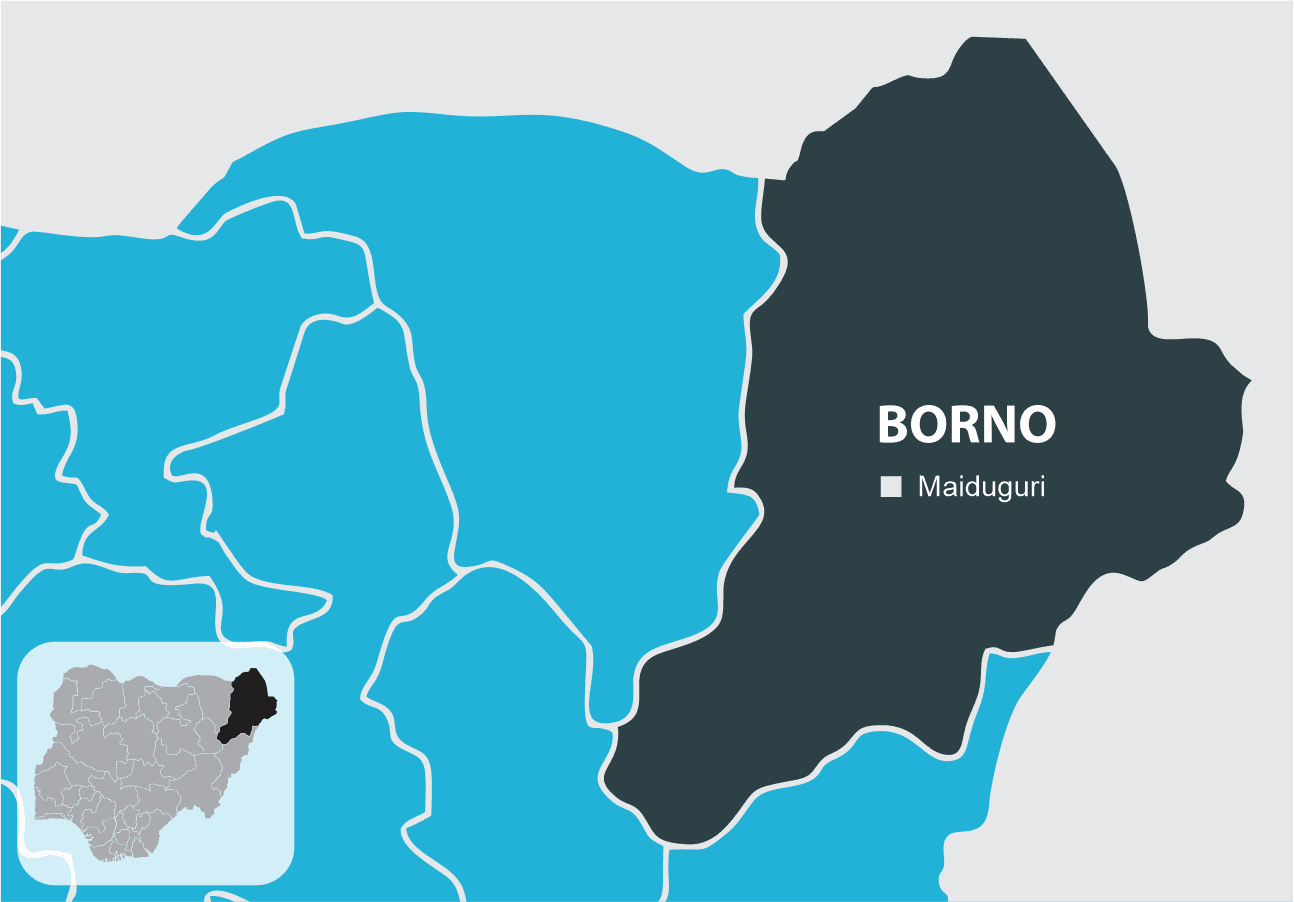
A militant group has publicly asserted it was behind a recent massacre and the mass abduction of approximately 300 residents in Nigeria's Borno State. This direct claim of responsibility connects an organized armed faction to one of the most significant single incidents of violence in the conflict-ridden region this year.
The scale of the claimed abduction, involving hundreds of civilians, represents a dramatic intensification of tactics typically associated with the area's protracted insurgency.
A Region in Crisis
Borno State, located in Nigeria's northeast, has been the epicenter of violent conflict for over a decade. The insurgency has displaced millions of people and created widespread humanitarian crises. While multiple armed groups operate in the region, a public claim of responsibility for such a large-scale attack is a notable development that may signal a shift in strategy or a bid for greater notoriety.
Escalation of Tactics
The group's stated actions—a massacre followed by mass abduction—fit a historical pattern of violence used to terrorize local populations and undermine state authority. Kidnappings have been employed as a tool for extracting ransom, recruiting fighters, or using civilians as human shields. However, an operation claiming to seize 300 people at once suggests a significant logistical capacity and a brazen disregard for potential military response.
Impact on Communities
Local communities in Borno have endured repeated cycles of attack, displacement, and precarious returns. An incident of this magnitude will likely deepen trauma, disrupt livelihoods, and fuel further population movements. The psychological impact of hundreds of families simultaneously losing loved ones to violence or captivity creates a profound challenge for social cohesion and recovery efforts in the region.
Security and Accountability
The Nigerian military and state authorities have long been engaged in counter-insurgency operations across the northeast. A claim of responsibility for violence on this scale places immediate pressure on security forces to respond and to account for their actions in protecting civilians. The international community watches closely as the situation develops.