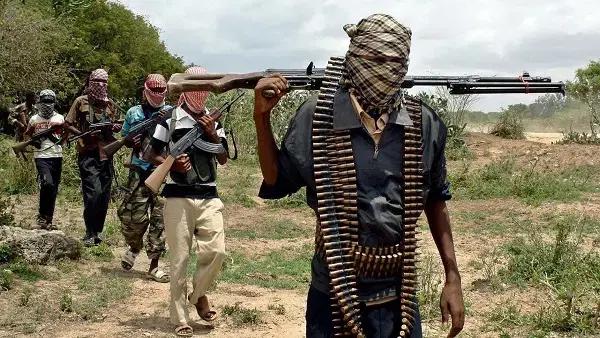
Residents across the central Nigerian states of Nasarawa, Kogi, and Benue have come forward with accounts describing a landscape gripped by terror. Their testimonies specifically outline the routes and transit camps utilized by armed groups operating in the area. These revelations provide a grim snapshot of the organized nature of the violence plaguing these communities.
Local accounts detail specific pathways through which these groups move, suggesting a degree of operational planning and territorial control. The identification of transit camps indicates these are not random attacks but coordinated activities with established logistical support. This pattern points to a sustained campaign of intimidation and violence against civilian populations.
The situation in Nasarawa State mirrors the distress reported in neighboring regions. Residents there describe similar experiences of fear and disruption to daily life. The consistency of reports across state lines suggests a regional security crisis rather than isolated incidents. Communities find themselves trapped by violence that disregards administrative boundaries.
In Kogi State, the terror has equally taken hold, with locals revealing how armed elements traverse their territories. The detailed knowledge of routes implies these movements are frequent and observable, yet communities feel powerless to stop them. This environment of impunity allows the cycle of violence to continue unchecked, eroding public trust in safety and stability.
Benue State completes a troubling triad of affected regions, with its residents corroborating the patterns seen elsewhere. The shared experience of terror across these three states highlights a significant security failure in central Nigeria. Civilians are bearing the brunt of this collapse, with their lives and livelihoods under constant threat.
The collective testimony from residents serves as a direct indictment of the security apparatus meant to protect them. When communities can map out the operational details of their attackers, it signals a profound breakdown in law enforcement and intelligence gathering. This gap between the state's duty and its performance leaves populations vulnerable and desperate.
Beyond the immediate violence, the terror has deep social and economic consequences for Nasarawa, Kogi, and Benue. Farming, trade, and education are disrupted, pushing already vulnerable communities deeper into poverty. The psychological toll of living under constant threat creates a legacy of trauma that will outlast the immediate conflict, hindering future recovery and cohesion.
Addressing this crisis requires a coordinated, multi-state security response that prioritizes civilian protection and intelligence-led operations. The detailed information provided by residents offers a crucial starting point for authorities to target the identified routes and dismantle the transit camps. Without decisive action to restore order, the grip of terror on these states will only tighten further.