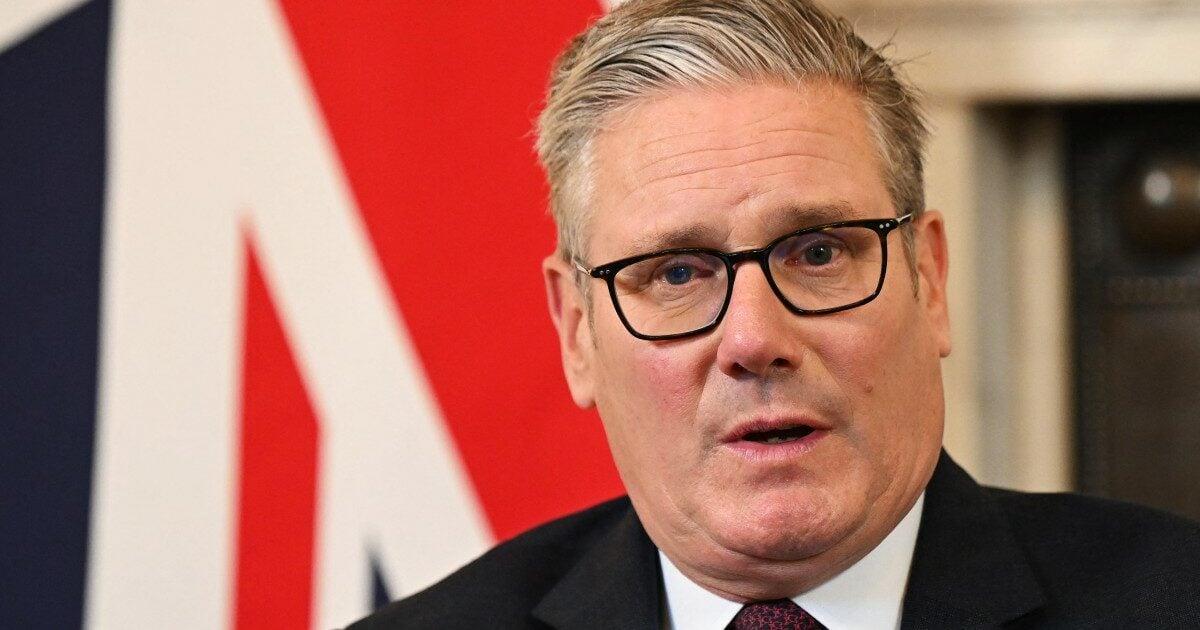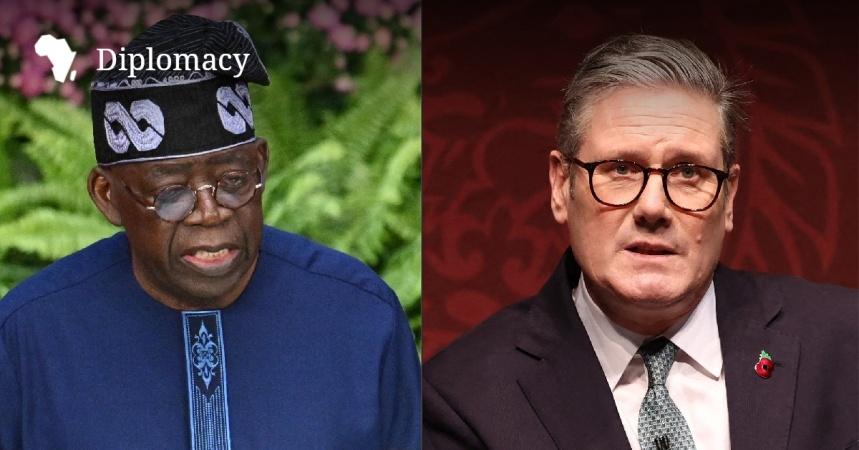
A significant cross-party coalition of British lawmakers has issued a direct demand: Prime Minister Keir Starmer must confront Nigerian President Bola Tinubu over the persistent killings of Christians in Nigeria. This formal request marks a substantial escalation, transforming the issue from a topic of general concern to a specific item on the UK-Nigeria bilateral agenda.
From Concern to Confrontation
The parliamentary intervention signals that the complex violence in Nigeria—often stemming from farmer-herder conflicts, rampant banditry, and extremist insurgencies in the Middle Belt and northern regions—is now a matter of official foreign policy for a key partner. Lawmakers are explicitly framing the protection of religious minorities as a fundamental human rights issue requiring top-level diplomatic engagement. The specific language urging Starmer to 'confront' President Tinubu implies a need for a firmer, more direct approach than previous dialogues may have involved.
Testing Diplomatic Relations
This stance potentially tests the traditionally cordial relations between the UK and Nigeria, a major Commonwealth ally and crucial economic partner in West Africa. The demand suggests a perception among UK parliamentarians that Nigeria's federal government has not sufficiently protected vulnerable communities or ensured accountability for perpetrators. It moves the discourse beyond Nigeria's internal narrative, which often attributes violence to criminality and resource competition, and places it squarely on the international human rights stage.
Implications for Tinubu's Administration
For President Tinubu's administration, which began its term in May 2023, this external pressure adds a complex diplomatic dimension to the country's profound security challenges. While the government maintains that the violence is primarily driven by criminal motives rather than purely religious animus, the disproportionate impact on Christian farming communities has fueled perceptions of targeted violence and inadequate state protection. The UK's formal demand amplifies this narrative internationally, potentially influencing other allies and global institutions.
The Path Forward
The call sets a clear expectation for Prime Minister Starmer's government. Observers will now watch closely to see if and how this issue is raised in upcoming high-level meetings between the two nations. The outcome could influence not only UK-Nigeria relations but also how other international partners address similar human rights and security concerns with allied governments.