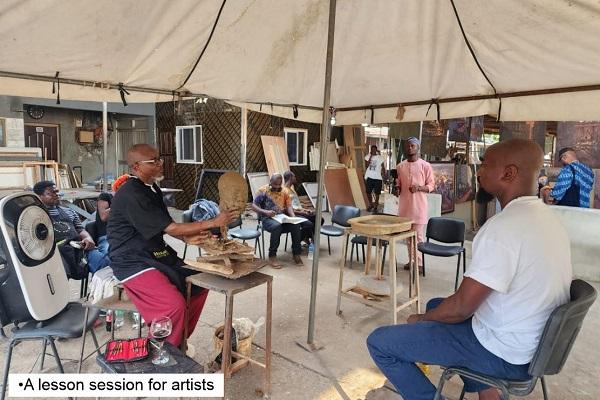
A new phrase is circulating in creative circles: 'In Universal Studios of Art, we make artists more professional.' The statement, presented as a core mission, signals a deliberate move to reshape how artists are cultivated and brought to market. It evokes the systematic, project-driven approach of a film studio, applying it to the traditionally unstructured world of fine art.
The Hollywood Model for Fine Art
The name itself, 'Universal Studios of Art,' draws an immediate parallel to the entertainment industry's most famous production houses. It suggests an ambition to industrialize the process of artistic creation, moving beyond the romantic ideal of the solitary genius to a model built on collaboration, branding, and scalable output. This framework implies a focus on career sustainability and commercial viability as primary goals for participating artists.
What 'Professionalization' Really Means
Central to this model is the concept of professionalization. For many artists, navigating galleries, contracts, marketing, and financial planning happens through trial and error, often without formal training. A studio system could provide structured support in these areas, treating an artist's practice as a holistic business. The promise is to equip creators with the tools not just to make art, but to build lasting, economically sound careers.
Challenging Artistic Traditions
This approach challenges long-held notions of artistic purity and autonomy. The traditional path often valorizes struggle and uncompromising vision, with commercial success sometimes viewed with suspicion. By openly prioritizing professionalism, the studio model reframes success, integrating market awareness into the creative process from the outset. It asks whether structure can enhance, rather than stifle, artistic innovation.
A New Ecosystem for Creators
The potential impact on artists' daily lives could be significant. Instead of working in isolation, artists might find themselves part of a collaborative ecosystem with shared resources, from legal counsel to studio space and promotional teams. This could alleviate the immense administrative and financial burdens many face, allowing more focus on creation. As this model launches, the art world will be watching closely to see if the 'Universal Studios of Art' approach can successfully merge the drive of commerce with the soul of creativity.