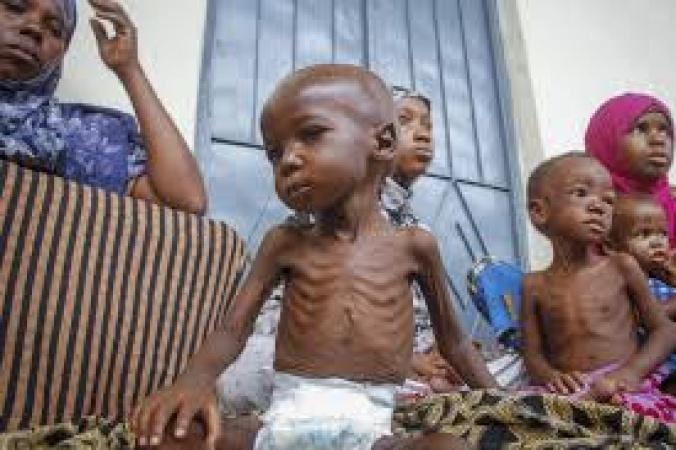
A staggering 6.4 million children in northern Nigeria are currently suffering from acute malnutrition, according to recent reports. This figure quantifies a humanitarian emergency of immense scale, concentrated in the country's most populous and conflict-prone region. The sheer number of affected children—enough to fill a major city—underscores a systemic failure in food security and child welfare systems.
What Acute Malnutrition Really Means
Acute malnutrition, distinct from chronic undernourishment, indicates a severe and recent deterioration in a child's nutritional status. It's often triggered by conflict, displacement, or economic shock. For these 6.4 million children, the condition poses an immediate threat to survival, significantly increasing vulnerability to diseases like malaria and pneumonia. The data suggests a crisis that is both widespread and acute, requiring emergency medical and nutritional interventions—not just long-term food aid.
The Conflict Connection
The concentration of this crisis in northern Nigeria is not coincidental. This region has been the epicenter of over a decade of conflict involving Boko Haram, banditry, and farmer-herder clashes. Insecurity disrupts farming, destroys markets, and displaces families, severing the primary means of subsistence for millions. The malnutrition statistic, therefore, serves as a direct metric of the human cost of prolonged violence and instability, translating abstract conflict data into a tangible count of suffering children.
Treatment Challenges and Systemic Implications
In practical terms, treating acute malnutrition requires specialized therapeutic foods and consistent medical supervision—resources that are chronically scarce in Nigeria's overstretched health system. The logistical challenge of reaching 6.4 million children across vast, often inaccessible areas is monumental. Without a massive and coordinated scale-up of aid, a significant portion of these children risk permanent physical and cognitive stunting, or worse.
This crisis also has profound economic implications. The World Bank estimates that malnutrition can reduce a country's GDP by up to 11% due to lost productivity and increased healthcare costs. The future workforce represented by these 6.4 million children is already compromised, creating long-term developmental challenges for the entire region.
The Path Forward
Addressing this crisis requires coordinated action on multiple fronts: immediate nutritional intervention, improved security to allow farming and market activity, and strengthened healthcare infrastructure. International aid organizations, local NGOs, and government agencies must collaborate to create sustainable solutions that address both the immediate emergency and underlying systemic issues.