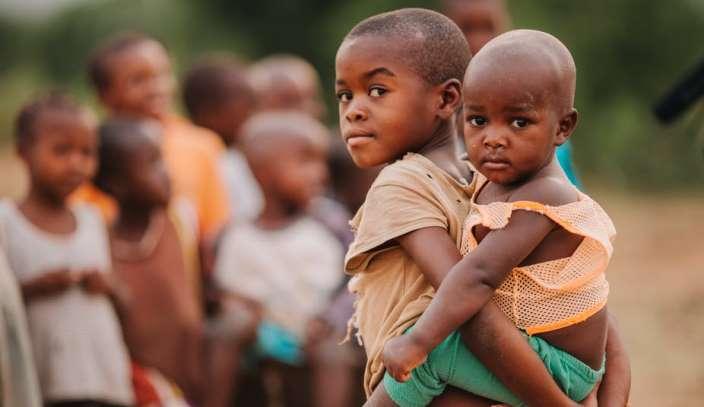
Here's a number that's hard to wrap your head around: 6.4 million children in northern Nigeria are currently suffering from acute malnutrition. That's not just being hungry — it's a severe, life-threatening condition that stunts growth and development. It's a crisis on a scale that's tough to even visualize, and it's happening right now.
Think about it — that's more people than live in entire major cities like Los Angeles. These are kids who aren't getting the basic nutrients they need to survive and thrive. Their bodies are literally wasting away because there isn't enough food, or the right kind of food, to go around. How did we get here? It's the result of a slow-motion disaster that's been building for years.
The situation in the north has been building for years, but hitting this number means it's reached a breaking point. Acute malnutrition doesn't just mean a child is thin; it means they're at immediate risk of disease and death. Their immune systems are shot, making every common illness like diarrhea or malaria a potential killer. It's a medical emergency for millions, all at once.
You've got to wonder what daily life looks like for families in this situation. Parents watching their children grow weaker, knowing there's nothing in the cupboard. Healthcare systems that are completely overwhelmed, if they exist at all in some of these areas. It's a perfect storm of hardship where poverty, conflict, and climate shocks all collide. Imagine trying to find a meal for your kids in that environment.
This isn't just about a bad harvest or a temporary shortage. A crisis this deep suggests systemic failures — in food production, distribution, security, and economic stability. When millions of kids are starving, something fundamental has broken down. Can it be fixed? It'll need more than just food aid; it'll need long-term solutions that address why the food isn't getting to people in the first place.
The human cost here is almost unimaginable. We're talking about a generation of children whose potential is being stolen before they even have a chance. The long-term effects of malnutrition this early in life can last forever, affecting brain development and physical health. It's a tragedy playing out in slow motion, and it'll shape Nigeria's future for decades. That's the real legacy of a number this big.
So what happens next? Without massive and coordinated intervention, these numbers will only get worse. The coming months are critical — will there be enough aid, enough political will, enough global attention to turn this around? The clock is ticking for 6.4 million children. They can't wait for bureaucratic processes or delayed funding rounds.
Watch this space — we'll be following where the response comes from, and whether it reaches the kids who need it most. The world can't afford to look away from a number this big. What will you remember about this moment a year from now?