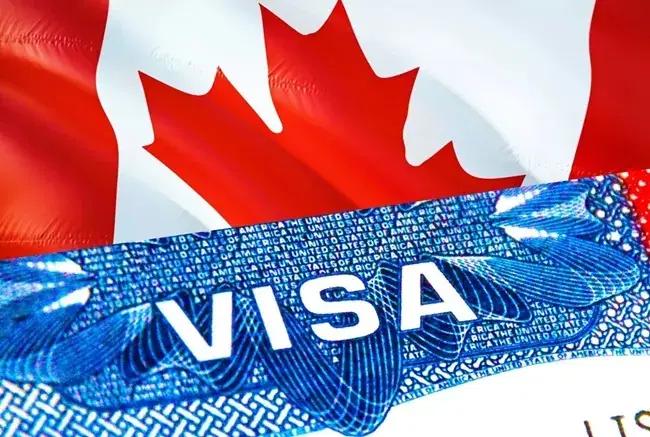
Here's a story that's become tragically familiar: dozens of people have lost their life savings to a promise that was too good to be true. At least 75 Nigerians are now out over 100 million naira — that's a staggering sum — after falling for a scam that offered them a shortcut to Canada. They paid for visas that simply didn't exist, leaving them financially ruined and their dreams of moving abroad in tatters.
This isn't just about losing money; it's about losing hope. For many, that 100 million naira represents years of hard work, family contributions, and immense personal sacrifice. They weren't just buying a document; they were investing in a future they believed was finally within reach. Imagine saving for years, only to have it all vanish because someone exploited your deepest aspirations.
Why does this keep happening? Scams like this one prey on a very real and powerful desire for opportunity and stability. The process for legitimate immigration can be long, complex, and expensive, which makes these 'guaranteed' offers incredibly tempting. Fraudsters know the system's frustrations inside and out, and they design their schemes to look like a legitimate solution to those problems.
The scale of this particular operation — 75 confirmed victims and counting — suggests it was a sophisticated, organized effort. It wasn't just one person taking advantage; it was a coordinated fraud that managed to convince dozens of people to part with huge amounts of cash. That level of deception requires planning, false documentation, and a convincing story to back it all up.
So what happens now for the victims? They're facing a double nightmare: the financial loss is devastating, but the emotional and psychological impact runs even deeper. They've been betrayed at a moment of profound vulnerability, and recovering from that kind of breach of trust is incredibly difficult. Rebuilding their savings will take years, if it's even possible.
Authorities are investigating, but these cases are notoriously hard to crack. The perpetrators often use fake identities and complex money trails that cross borders, making them tough to track down. Even if they're caught, getting the stolen money back is a long shot — it's usually spent or hidden long before the scam is exposed.
It's a stark reminder for anyone considering a major life change through immigration: if an offer seems to bypass all the normal rules, it's almost certainly a trap. Legitimate immigration pathways don't involve secret shortcuts or under-the-table deals with mysterious agents. They're transparent, with fees paid directly to government agencies, not to individuals making big promises.
The next step is seeing if law enforcement can actually identify and apprehend the people behind this scheme. Until then, the 75 victims are left to pick up the pieces, and the story serves as a painful warning to others dreaming of a life abroad.