Wednesday presented a stark picture of Nigeria's multifaceted realities, where local community events, regional geopolitical sentiments, and global economic shifts occurred simultaneously.
A Local Honour in Sokoto
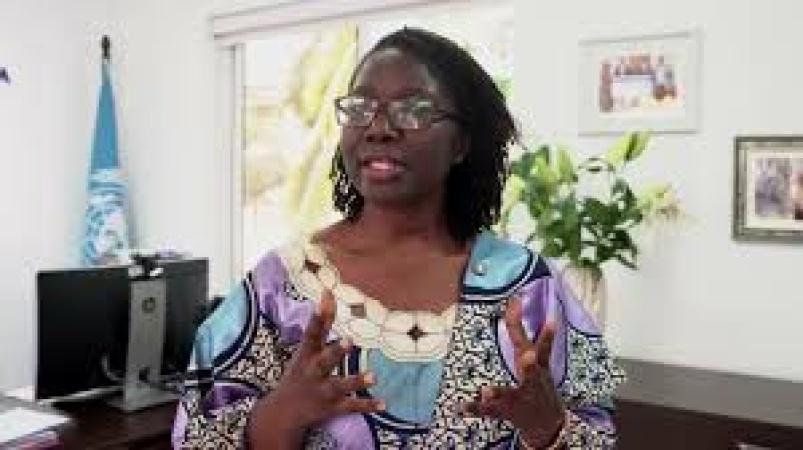
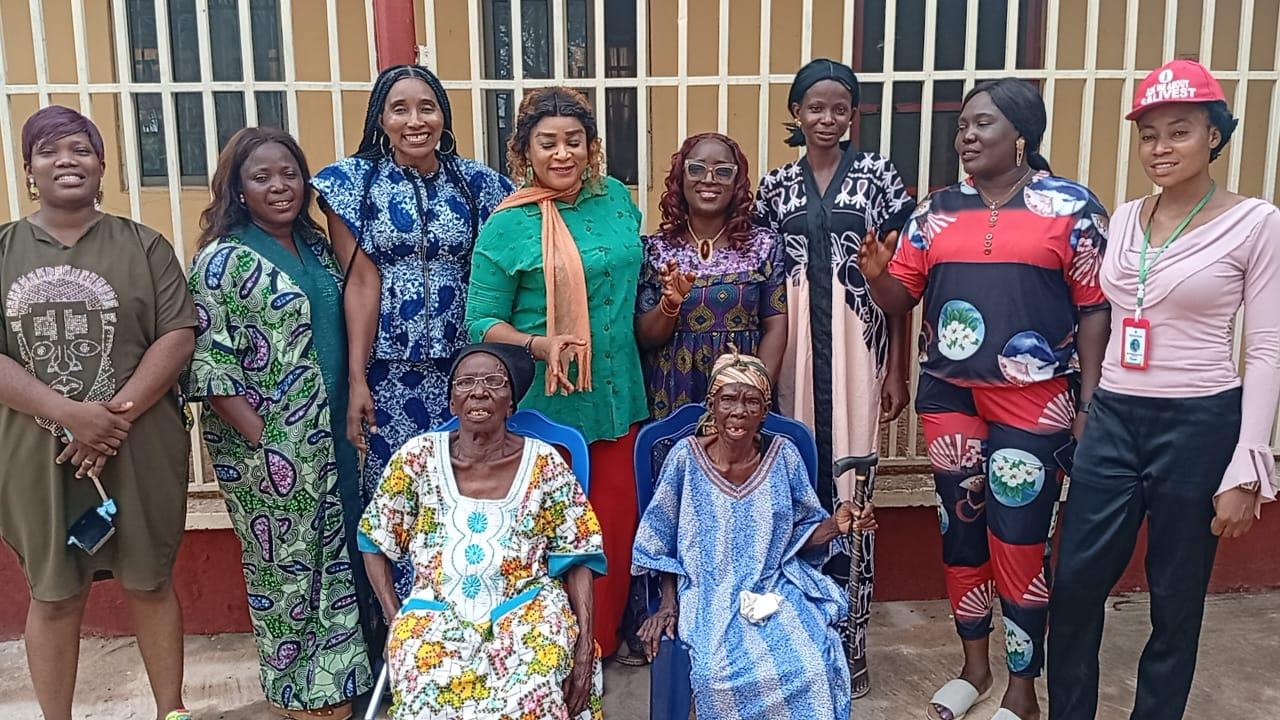
In a ceremony focused on social welfare, Her Excellency Fatima Aliyu, wife of the Sokoto State Governor, was conferred with the title 'Queen Mother of the Polytechnic.' The institution recognized her extensive humanitarian advocacy and work with vulnerable groups within the state. This event underscores the continued role of political families in driving community-based support systems across Northern Nigeria.
Regional Anger Erupts
Contrasting sharply with the polytechnic's ceremony, the atmosphere across major northern capitals was one of fervent protest. Thousands of students and youths flooded the streets of Kano, Kaduna, and Sokoto itself in a massive, coordinated display. The demonstrators trampled and denigrated American and Israeli flags, expressing solid alignment with the Islamic Republic of Iran. The trigger was reports of a joint U.S.-Israeli military strike in the Middle East, which ignited deep-seated anti-Western sentiment and showcased the potent mobilization capacity around issues affecting the global Muslim community.
Global Business Amidst Tension
In a parallel development highlighting a different kind of international engagement, U.S. Interior Secretary Doug Burgum was in Caracas, Venezuela, stating that American mining companies are 'lining up' to invest. Accompanied by executives representing billions in potential capital, the visit signals a potential economic thaw with the long-sanctioned Venezuelan government. This move underscores how global business interests often operate on a separate track from geopolitical tensions.
Analysis: Nigeria's Delicate Balance
This confluence of events places Nigeria, particularly its northern region, at a complex crossroads. It must navigate internal social cohesion, powerful regional sentiments tied to global religious and political identities, and the practical realities of an international economic order still largely shaped by Western capital. The day's events serve as a microcosm of the competing forces at play within the nation and its place in the world.