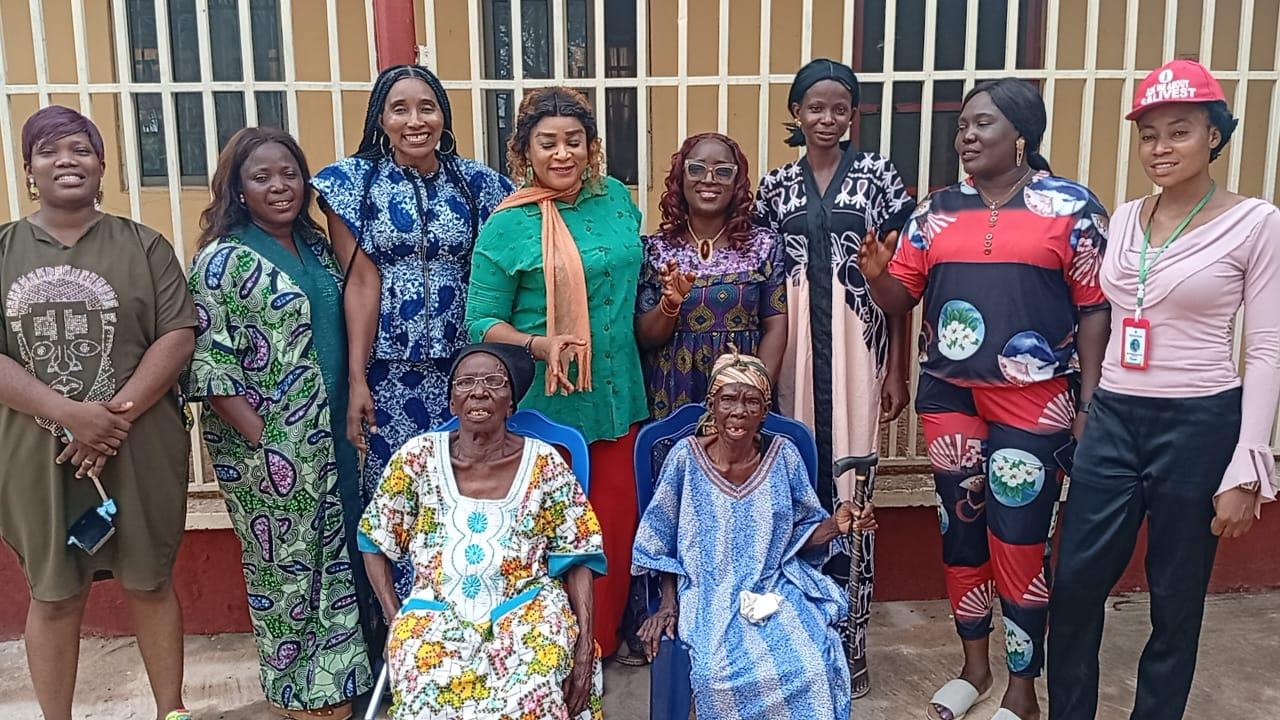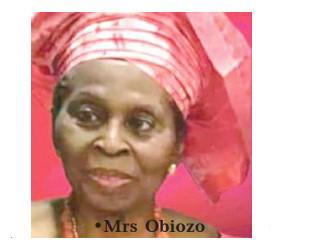
The sister of Nigeria's first president, Dr. Nnamdi Azikiwe, was laid to rest in Onitsha, Anambra State, in a ceremony marked by deep emotion. Mourners gathered to pay their final respects, connecting a personal family loss to the broader national history Azikiwe helped shape. The burial served as a poignant reminder of the human connections behind major historical figures.
The Legacy of 'Zik of Africa'
Dr. Nnamdi Azikiwe, popularly known as 'Zik of Africa,' was a central figure in Nigeria's struggle for independence from British colonial rule. He became the nation's first indigenous Governor-General in 1960 and its first President when Nigeria became a republic in 1963. His leadership and vision for a unified Nigeria cemented his status as a founding father, making any event connected to his family a matter of public interest and historical reflection.
The Significance of Onitsha
The funeral took place in Onitsha, a major commercial city on the eastern bank of the Niger River and a significant cultural center for the Igbo people. Onitsha holds deep historical importance in southeastern Nigeria, making it a fitting location for the final rites of a member of such an iconic family. The choice of venue intrinsically tied the ceremony to the region that formed a core part of Azikiwe's identity and political base.
Between Private Grief and Public Memory
While specific details of the service were private, the reported 'high emotions' point to a gathering charged with both personal sorrow and collective remembrance. Funerals in this cultural context are often major community events, blending private mourning with public ceremony. For a family of Azikiwe's stature, the line between a private family affair and a public historical moment is inevitably blurred, drawing in community elders, political figures, and ordinary citizens who revere his legacy.
A Fading Link to the Founding Era
The event's profound significance lies in its function as a living link to Nigeria's founding era. As time passes, direct connections to the generation that fought for and achieved independence grow fewer. The burial of a sibling from that generation acts as a tangible touchpoint, prompting national reflection on the origins of the modern state and the personal lives of those who shaped it.