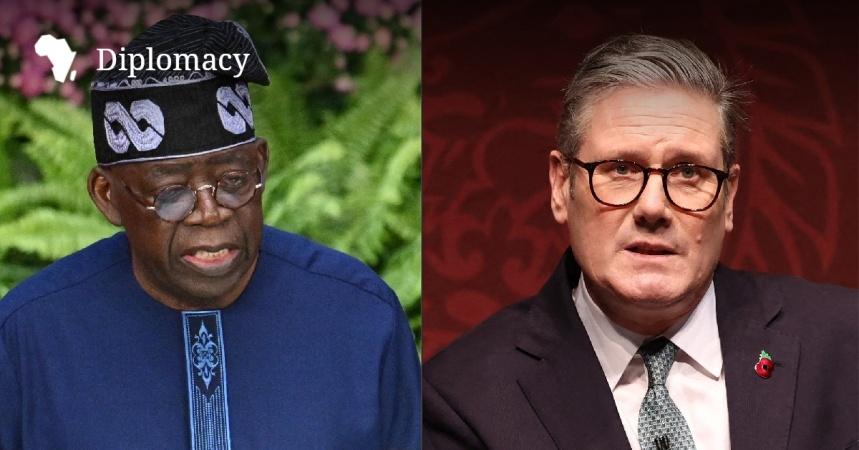
The African Democratic Congress (ADC) has launched a sharp public critique of President Bola Tinubu's recent nominations for ambassadorial positions. This move marks a significant political challenge, directly questioning the administration's judgment in selecting Nigeria's representatives abroad.
The Nature of the Criticism
The ADC's statement is not a routine disagreement. It signifies emerging political friction over a critical state function: diplomacy. The party's decision to 'publicly slam' the appointments suggests profound dissatisfaction, potentially rooted in perceptions of patronage politics, regional imbalance in the selections, or concerns over the nominees' diplomatic credentials and expertise.
Why Ambassador Appointments Matter
Ambassadorial postings are far from ceremonial. They are strategic positions that shape Nigeria's bilateral engagements, economic partnerships, and security cooperation. These diplomats are the nation's face in key capitals and at multilateral forums like the African Union and the United Nations. The ADC's intervention implies a belief that Tinubu's selections may be inadequate for safeguarding and promoting Nigeria's complex national interests on the global stage.
Democracy in Action: Scrutiny as a Check
In Nigeria's vibrant democracy, such opposition party scrutiny serves as a vital check on executive power. It ensures that significant appointments undergo necessary public and political vetting. By forcing the issue into the open, the ADC aims to influence public perception of the administration's competence in statecraft and foreign policy management. The criticism also sets the stage for the Senate's confirmation hearings, where each nominee's background and the transparency of the selection process will likely face heightened examination.
The Road Ahead
The public rebuke from the ADC transforms these appointments from an administrative matter into a political litmus test. It raises central questions: Does the list reflect merit and strategic thinking, or other considerations? How the administration responds—and how the Senate handles the confirmation process—will be closely watched as indicators of governance and political cohesion.