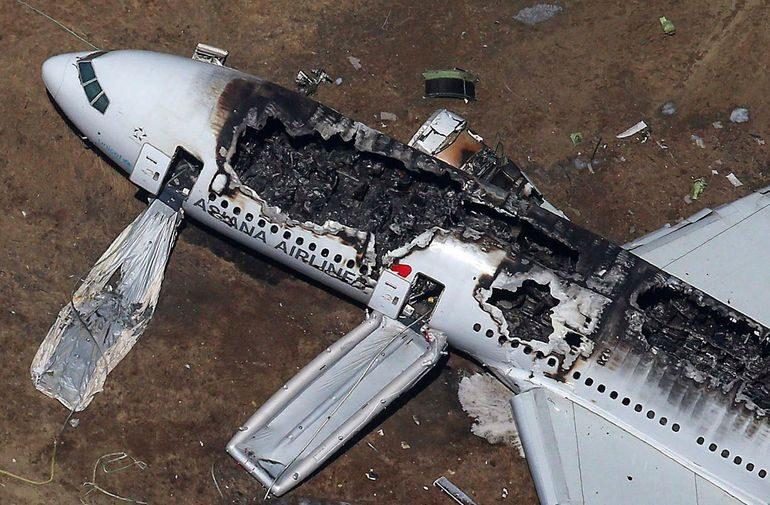
African aviation presents a contradictory safety picture in 2025, with the overall accident rate declining even as the risk of fatalities per accident has reached its highest point this year. This dual trend suggests that while fewer incidents are occurring, the consequences of those that do happen are becoming more severe. The data points to a complex safety environment that cannot be captured by a single metric.
A Tale of Two Trends
A drop in the accident rate indicates positive developments in operational safety and regulatory oversight across the continent. This could reflect tangible improvements in maintenance procedures, pilot training, or air traffic management systems—a sign that long-term safety investments are bearing fruit.
However, the simultaneous peak in fatality risk raises serious and urgent questions. It suggests that when things go wrong, they are more likely to result in catastrophic loss of life.
Why Are Accidents More Deadly?
The increased lethality could stem from several critical factors:
- Accident Location: Crashes occurring in remote or difficult terrain can hinder rapid emergency response.
- Response Capabilities: Variations in the quality and speed of post-crash firefighting, medical, and rescue services.
- Aircraft Factors: The types of aircraft involved and their inherent crashworthiness.
This trend highlights a potential gap where safety efforts—focused on prevention—may be falling short on mitigation and survival.
Beyond a Single Statistic
Aviation experts stress that safety must be analyzed through multiple lenses. A lower accident rate is a fundamental goal, but if the surviving accidents are more deadly, the net improvement in passenger safety is significantly diminished. This situation demands a targeted, dual-pronged approach: continue driving down accident numbers while urgently understanding and mitigating the specific causes of fatal outcomes.
The Path Forward
The continent's progress in reducing accident numbers is a significant achievement that should be acknowledged. Yet, the persistence of high-fatality accidents indicates that deeper systemic issues in emergency preparedness and infrastructure may remain unaddressed. Moving forward, the focus must expand from pure prevention to encompass the entire safety continuum, ensuring that when incidents occur, the chances of survival are maximized.