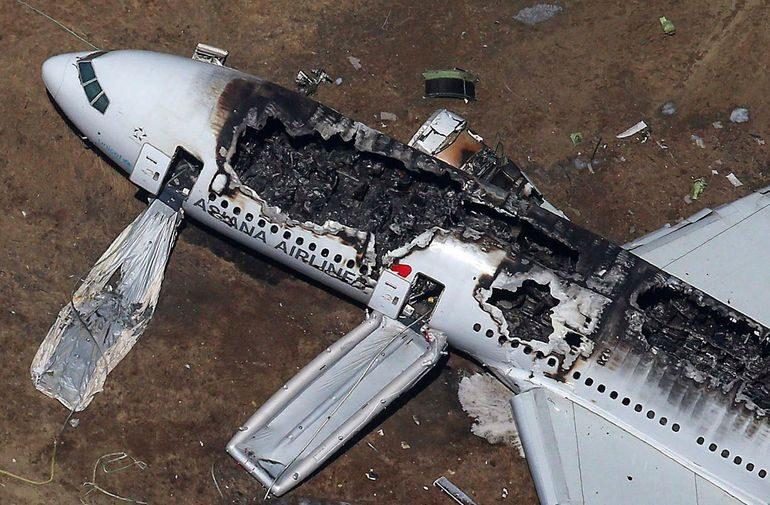
In a development that challenges conventional safety metrics, African aviation has presented a statistical paradox in 2025: while the continent's overall accident rate has decreased, the risk of fatalities in those accidents has surged to a new peak. This contradictory data paints a complex picture of air travel safety across Africa.
The Numbers Tell Two Stories
On the surface, the reduction in total accidents suggests progress. Fewer planes are experiencing technical failures, runway excursions, or other non-fatal mishaps—a testament to improved maintenance and training in some regions. However, the accidents that do occur are proving far more deadly. The fatality risk per incident has climbed dramatically, indicating a shift from numerous minor scares to fewer but catastrophic disasters.
What's Behind the Deadly Shift?
Aviation analysts point to several persistent challenges. Aging aircraft fleets in certain regions, combined with operational pressures and Africa's uniquely challenging environments—from congested urban airports to remote, poorly equipped airstrips—create conditions where errors have minimal margin for recovery. When something goes wrong under these circumstances, incidents quickly escalate from survivable to tragic.
The Passenger's Dilemma
For travelers, this creates confusing risk assessment. The overall probability of being in an accident has decreased, but the consequences of being in one have worsened significantly. It's a trade-off between frequency and severity that no passenger would consciously choose.
Looking Ahead
The 2025 data serves as a crucial warning. While celebrating reduced accident rates, the aviation industry must confront why remaining incidents are becoming deadlier. The focus must shift from merely preventing accidents to ensuring those that do occur remain survivable—addressing emergency response capabilities, aircraft structural integrity, and operational protocols that determine outcomes when things go wrong.