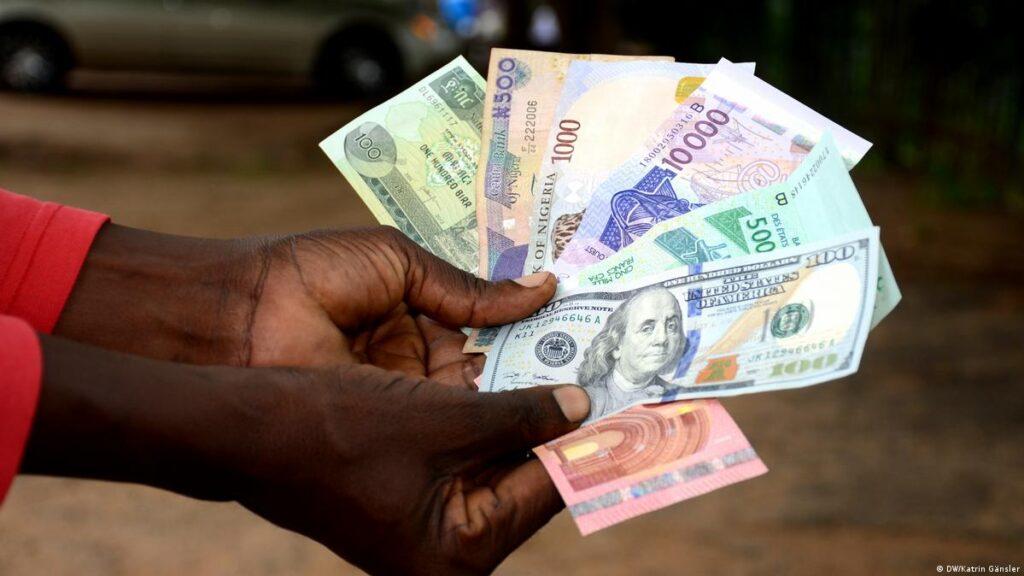
February 2026 has marked a significant turning point for African financial markets, as several central banks across the continent initiated interest rate cuts. This coordinated easing represents a strategic pivot, moving away from the tighter monetary policies employed to curb inflation in recent years and toward stimulating broader economic growth. The anticipated effect is lower borrowing costs for businesses and governments, potentially unlocking new investments and expansion projects vital for development.
However, this positive domestic momentum is unfolding against a backdrop of heightened global energy instability. The precautionary shutdown of the Ruwais refinery—described by its operator ADNOC as the world's fourth-largest single-site facility—following a drone attack has introduced immediate supply risks into an already tense oil market. The disruption of such critical infrastructure threatens ripple effects on fuel prices worldwide, with import-dependent African nations being particularly vulnerable.
The strategic fragility of regional energy infrastructure was underscored by Amin H. Nasser, who warned that escalating conflict could have severe consequences for global oil supplies. Nasser specifically highlighted the need to keep the Strait of Hormuz open. This narrow maritime chokepoint is a lifeline for global energy, transporting approximately 20% of the world's oil. A sustained disruption here would far exceed the impact of a single refinery outage, likely triggering a sharp global price spike that could undermine the benefits of Africa's rate cuts.
Adding another layer to this complex economic picture is the continued concentration of global wealth. According to recent data, a record 3,428 billionaires now hold a combined fortune of $20.1 trillion—an all-time high. Elon Musk sits at the apex with an estimated net worth of $839 billion, the largest individual fortune ever recorded. This milestone highlights the accelerating divergence in global capital accumulation, occurring even as developing economies navigate the delicate balance between monetary policy, commodity price shocks, and sustainable growth.
The coming months will be a critical test for African policymakers. The success of their growth-oriented rate cuts will be heavily influenced by external factors they cannot control: the stability of global oil markets and the geopolitical tensions that threaten them. Navigating this dual reality—fostering domestic growth while insulating economies from external shocks—will define the economic trajectory of the region in 2026 and beyond.