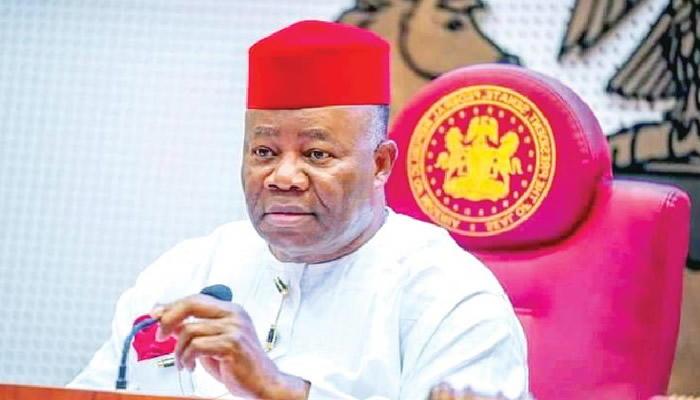
In the wood-paneled chamber of Nigeria's Senate, President Godswill Akpabio recently offered a striking metaphor that captures a fundamental tension in contemporary governance. Framing the upper legislative house as a 'workshop for solutions,' he simultaneously characterized social media platforms as a 'megaphone for noise.' This deliberate contrast speaks volumes about how Nigeria's political leadership perceives the relationship between traditional lawmaking and digital public discourse.
The Senate as Deliberative Workshop
Akpabio's workshop metaphor suggests a space for methodical, constructive work where policy is forged through debate, compromise, and detailed scrutiny. This vision positions the Senate as insulated from the immediate pressures of public opinion, focusing instead on tangible legislative outcomes. The image evokes lawmakers 'rolling up their sleeves' to address national challenges systematically—a deliberate contrast to the reactive nature of online discourse.
Social Media as Amplified Noise
The Senate President's characterization of social media as a 'megaphone for noise' reflects concerns about digital platforms prioritizing volume over substance. In this view, complex policy issues risk being reduced to slogans and viral posts, while outrage spreads faster than nuanced analysis. This critique touches on genuine challenges in digital civic engagement, where algorithmic amplification can distort public conversation.
Governance in the Age of Digital Distraction
This tension between the Senate's deliberative pace and social media's instant reaction highlights a core challenge for modern governance: maintaining evidence-based lawmaking amid constant, amplified commentary. Parliamentary procedures—committees, bill readings, closed-door negotiations—represent the 'tools' of Akpabio's workshop, designed for careful crafting rather than rapid response.
Implications for Nigeria's Political Future
Akpabio's framing arrives as Nigeria grapples with legislation addressing social media regulation and digital governance. His metaphor may influence how lawmakers approach these issues, potentially prioritizing institutional deliberation over reactive policymaking. As Nigeria navigates this intersection of traditional governance and digital democracy, this 'workshop vs. megaphone' dichotomy will likely shape political discourse for the foreseeable future.