Fifteen soldiers from the Beninese army have been killed in a deadly attack on a military base in the north of the country. The assault was carried out by jihadists linked to the global terrorist network Al-Qaeda. This incident represents one of the most severe security breaches in Benin in recent times, highlighting the growing threat of extremist violence in West Africa.
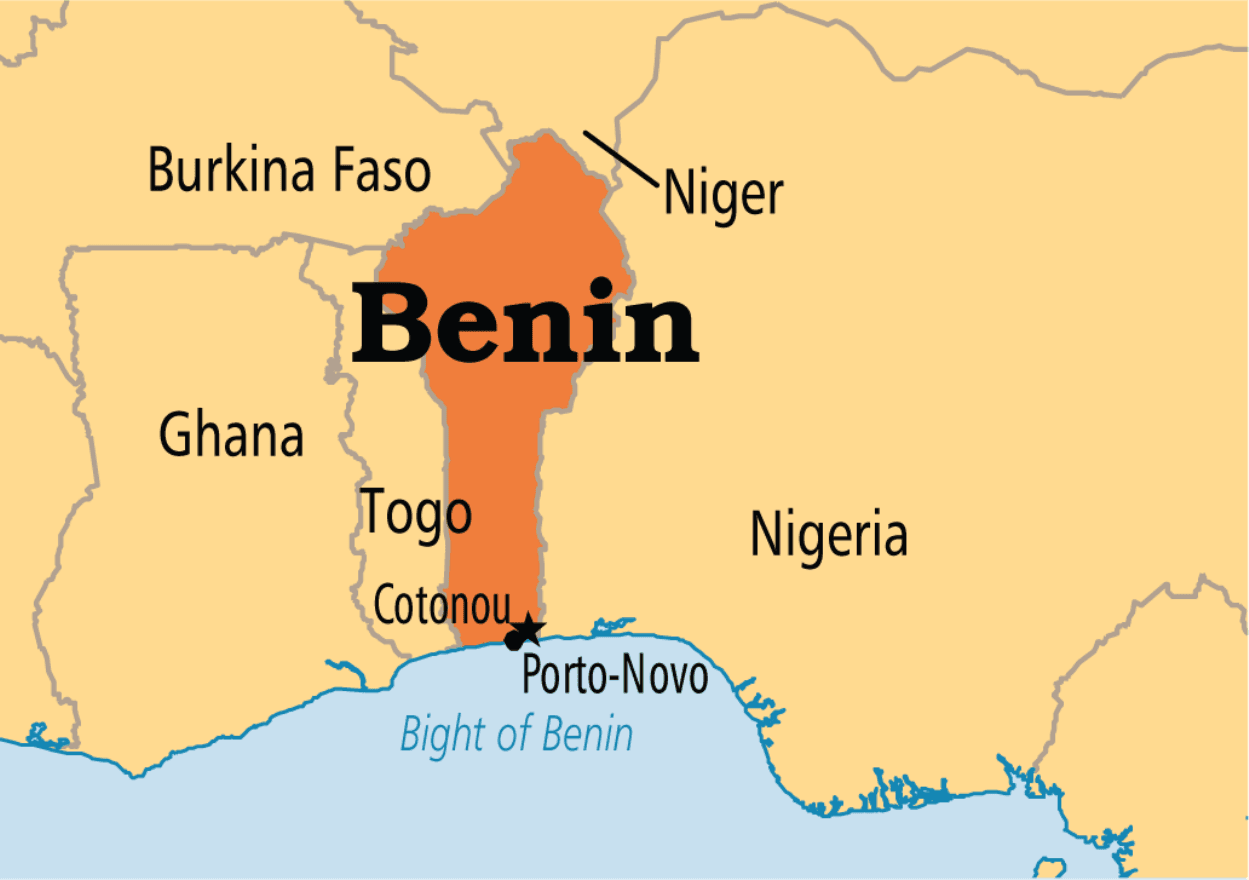
The attack targeted an army base located in Kofouno, a community situated near Benin's border with Niger. The Group for the Support of Islam and Muslims (JNIM), which is widely recognized as Al-Qaeda's official branch for the Sahel region of Africa, has claimed responsibility for the Wednesday raid. This claim directly ties the violence to a major transnational terrorist organization operating across several neighboring countries.
In addition to the fatalities, the attack left several other soldiers wounded. Beninese army spokesman Colonel James Johnson provided details to the AFP news agency, confirming that five soldiers were injured during the raid. Colonel Johnson stated that the lives of these wounded personnel "are not in danger," offering a small measure of relief amid the tragic loss of life.
The Beninese military responded to the assault with force. According to Colonel James Johnson, military aircraft were deployed to target the retreating attackers. He reported that this aerial counter-operation successfully killed "at least four terrorists" as they withdrew from the scene of the attack. This action demonstrates the army's immediate efforts to retaliate and prevent the assailants from escaping unscathed.
The extent of the damage to the military installation was severe. A regional security journalists' group known as Wamaps reported that the army base in Kofouno was "pillaged and torched" during the jihadist assault. This indicates that the attackers not only sought to inflict casualties but also to loot supplies and destroy infrastructure, crippling the operational capacity of the post.
The location of this attack is critically important for understanding regional security dynamics. Kofouno's proximity to the border with Niger places it in a zone vulnerable to spillover violence from the wider Sahel region, where groups like JNIM are highly active. For Benin, a country that has historically been more stable than its northern neighbors, this incursion signals a direct and violent encroachment of Sahel-based insurgency into its territory.
The claim of responsibility by JNIM underscores the expanding operational reach of Al-Qaeda-affiliated groups in West Africa. These groups have established strongholds in Mali, Burkina Faso, and Niger, and their ability to launch a coordinated, lethal attack in Benin suggests a deliberate strategy to test and stretch the defenses of coastal West African nations. This represents a significant strategic shift in the regional conflict.
For Nigeria and the broader Economic Community of West African States (ECOWAS), this attack serves as a stark warning. The violence demonstrates that the jihadist threat is not contained within the central Sahel and is capable of destabilizing countries further south. It raises urgent questions about border security, intelligence sharing, and the need for a coordinated regional military and political response to contain this spreading insurgency.


