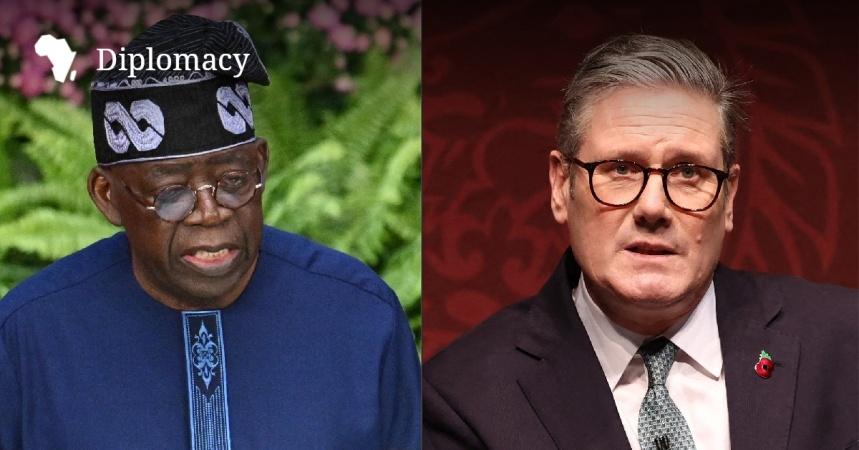
The Nigerian news cycle today presents a tapestry of local development, national political critique, and global economic pressure, reflecting the complex challenges and actions across different tiers of society.
Anambra's ₦604 Million Push for Development
The Anambra State Government has approved a substantial ₦604 million allocation for critical road and infrastructural projects. This financial commitment signals a proactive push for tangible development as the state administration prepares for the swearing-in of Governor Chukwuma Soludo. The focus on improving public infrastructure is a direct investment in the economic growth and daily quality of life for residents of the southeastern state.
NNPP's Critique: A Crisis of Electoral Confidence
Shifting to the national political arena, the National Working Committee of the New Nigeria Peoples Party (NNPP) has framed Nigeria's democratic challenges in stark terms. While acknowledging internal party disputes, the committee argues that a larger crisis looms: a profound lack of public confidence in the electoral process. They specifically allege that 'the widespread perception that INEC is complicit in subverting the will of the people' is the primary driver of voter apathy. This accusation points to deep-seated systemic issues believed to undermine political engagement and stability.
Tinubu's Grid Gamble: The GAMCO Plan
On the policy front, President Bola Tinubu has initiated plans to establish a Grid Asset Management Company (GAMCO). This move targets one of Nigeria's most persistent challenges: unreliable electricity. By creating a specialized entity focused on the transmission segment, the administration aims to address a critical bottleneck in the power sector, though the plan's efficacy remains to be seen.
The Global Squeeze: Cocoa Prices Tumble
Adding an international dimension, commodity markets have seen a significant plunge in cocoa prices. This downturn presents a direct economic shock to Nigerian farmers and exporters, reminding us that local livelihoods are often tied to volatile global markets.
Together, these stories from Anambra, Abuja, and the international market illustrate the multifaceted pressures—from local governance and political trust to infrastructure and export economics—that define Nigeria's current landscape.