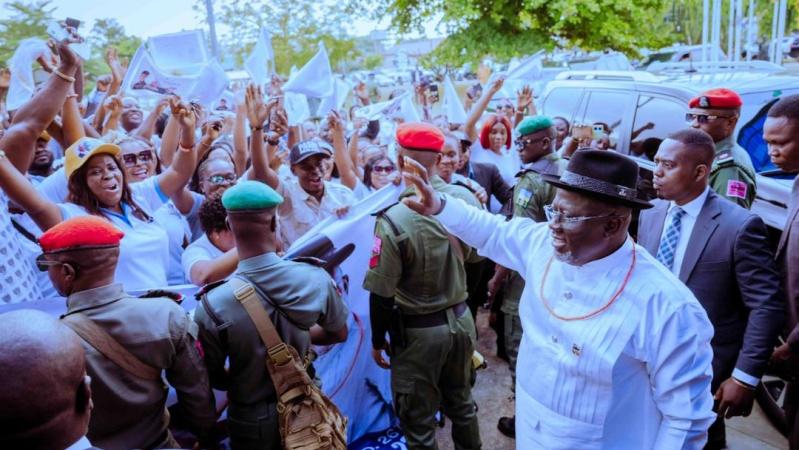
The All Progressives Congress (APC) conducted its state congresses across Nigeria, but a uniform national narrative was conspicuously absent. Instead, the day revealed a patchwork of internal dynamics, with three states—Delta, Lagos, and Ondo—exemplifying starkly different paths: boycott, consensus, and legal defiance.
Delta State: The Boycott
In Delta State, the congress was reportedly boycotted by several key political figures. This significant absence is more than mere abstention; it signals deep-seated discord, protest, or a strategic withdrawal within the state chapter. Such boycotts often point to unresolved grievances, factional disputes, or a rejection of the congress's legitimacy, posing a clear challenge to party unity and its prospects in the state.
Lagos State: The Smooth Re-election
Contrasting sharply with Delta, the Lagos State congress was a model of apparent stability. Held at the Onikan Stadium, the proceedings saw Hon. Cornelius Ojelabi re-elected unopposed as state chairman for a second term. This seamless transition suggests a consolidated party structure and a consensus-driven leadership in Nigeria's commercial capital. Lagos remains a crucial stronghold for the APC, and this stability is strategically vital.
Ondo State: The Act of Defiance
The most legally contentious event unfolded in Ondo State, where the party proceeded with its congress to elect a chairman and 35 officials despite an existing court order. This deliberate defiance introduces significant judicial risk, as the outcomes could be invalidated by the courts. It underscores a faction's willingness to prioritize internal political expediency over legal due process, a move that could trigger protracted and damaging litigation.
Analysis: No National Cohesion
These contradictory events highlight the lack of a cohesive national strategy for the APC's grassroots reorganization. Each chapter is navigating its unique political terrain, shaped by local factional loyalties, leadership strength, and external legal pressures. This fragmentation presents a formidable challenge to the national party leadership, which must manage these disparate threads to present a unified front ahead of future elections.
The congresses have ultimately served as a diagnostic tool, exposing the localized realities of power within the APC, from the silent protest of a boycott to the bold risk of legal defiance.


