The All Progressives Congress in Osun State has formally cautioned Unity Bank Plc against entering into any loan agreement with the state's local government councils. The party's warning, issued directly to the financial institution, frames the potential lending as a significant financial risk. This public intervention by a political opposition party into banking affairs marks an unusual escalation in the state's fiscal governance disputes.
According to the APC's statement, the core objection stems from an alleged pre-existing debt burden carried by the Osun State government. The party claims this cumulative debt exceeds three hundred billion naira (N300bn). This substantial figure, presented without immediate independent verification from the bank or state government, forms the basis of the APC's argument against further borrowing. The warning implies that any new loans to local entities could be jeopardized by the state's overall financial health.
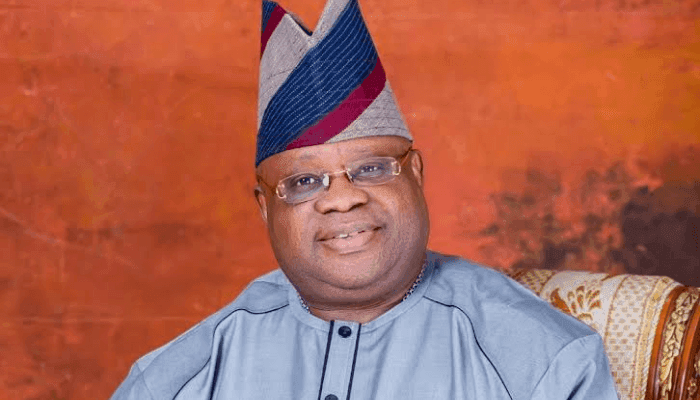
Governor Ademola Adeleke's administration is directly implicated in the APC's cautionary message. The opposition party's statement suggests that loans sought by the local governments are intrinsically linked to the financial stewardship of the incumbent state government. By naming Adeleke, the APC positions its warning as a protective measure for the bank against potential default risks associated with the current political leadership. This creates a direct confrontation between political accountability and commercial lending decisions.
The specific target of the warning, Unity Bank Plc, now faces a public relations and risk assessment dilemma. As a registered commercial bank, its lending decisions are typically governed by internal credit policies and regulatory guidelines from the Central Bank of Nigeria. The APC's public statement attempts to influence this process by injecting political and reputational considerations into a standard financial transaction. The bank must now weigh these external pressures against its fiduciary duties and risk management protocols.
Local government councils in Nigeria derive their funding primarily from statutory allocations from the Federation Account and internally generated revenue. These councils often seek commercial loans to fund capital projects or bridge cash flow gaps. The APC's warning presupposes that the Osun local governments are actively seeking or may seek credit facilities from Unity Bank. The party's preemptive move aims to dissuade the bank from entertaining such applications, effectively attempting to restrict the councils' access to one potential source of financing.
The broader significance of this event lies in the politicization of sub-national debt and credit access. When political opposition parties directly advise financial institutions against dealing with government entities, it challenges conventional boundaries between politics and commerce. Such actions can influence market perceptions, potentially increasing the cost of borrowing for the state and its local governments or limiting their access to credit markets altogether. This dynamic can have tangible consequences for public service delivery and infrastructure development.
No immediate response from Unity Bank Plc or the Osun State Government was included in the verified claims. The absence of their perspectives leaves the APC's allegations unchallenged within the scope of the provided information. Standard journalistic practice would necessitate seeking comment from both the bank's corporate communications department and the office of the Osun State Commissioner for Finance or Information to present a balanced account. The one-sided nature of the claim underscores its origin as a political statement.
The next steps involve monitoring the official responses from Unity Bank and the Osun State Government. The bank's management will need to issue a formal statement addressing the APC's warning and clarifying its lending policies. Similarly, Governor Adeleke's administration is expected to rebut the debt claims and defend its fiscal management. The unfolding dialogue will determine whether this political warning translates into a material impact on the financial operations of Osun State's local governments.


