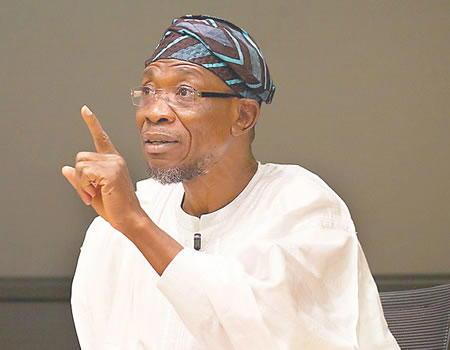
A former senior official has sounded an alarm about a potential crisis brewing in Nigeria's future. Rauf Aregbesola, who served as the country's Minister of Interior, has publicly stated that Nigeria's long-term stability and prosperity are at risk. The core of the problem, according to Aregbesola, is a systemic failure to properly nurture and educate the nation's young boys.
To understand this warning, it helps to know who Rauf Aregbesola is. He is a prominent political figure in Nigeria, having served not only as a federal minister but also as a two-term governor of Osun State. His career has been focused on governance and public administration, making his comments on social policy noteworthy. When a figure with his experience speaks about a national threat, it is often a signal of a deep-seated issue that has been observed from within the system.
The term 'boy child' refers to young male children and adolescents. In many societies, discussions about gender and development have historically focused heavily on empowering girls, which is a crucial and necessary endeavor. Aregbesola's argument suggests that in the push for girl-child education and empowerment, the specific challenges facing boys may have been overlooked. This isn't about taking resources from girls, but about ensuring that an entire generation of boys is not left behind without the skills, values, and guidance needed to become productive adults.
Think of it this way: a nation's future is built by its people. If a significant portion of its youth—in this case, boys—are not receiving adequate education, mentorship, or positive social direction, the entire country's foundation becomes unstable. These boys grow into men who need to participate in the economy, build families, and contribute to community life. Without proper preparation, they may face higher risks of unemployment, involvement in crime, or becoming susceptible to extremist ideologies, which in turn creates broader social and security problems for everyone.
The specific nature of the 'neglect' Aregbesola mentions isn't detailed in the claim, but it typically encompasses several areas. It could refer to boys dropping out of school at higher rates than girls, a lack of vocational training programs tailored for young men, or an absence of positive male role models in communities and families. In a country like Nigeria with a large youth population, often called a 'youth bulge,' failing to harness the potential of millions of young men represents a massive lost opportunity for national development.
Why does this matter for Nigeria right now? The country faces significant challenges, including economic pressures and security concerns in various regions. A disenfranchised, uneducated, and disengaged population of young men can exacerbate all of these issues. For a nation aiming to grow its economy and ensure peace, investing in every child's future is not just a moral imperative but a practical necessity for survival and progress. Aregbesola is essentially arguing that overlooking the boy child is a strategic national error.
This warning fits into a larger, global conversation about the challenges facing young men in the 21st century. In many countries, educators and sociologists are noting that boys are increasingly falling behind girls in academic achievement at various levels of schooling. The reasons are complex, involving changes in teaching methods, economic shifts that devalue traditional male labor, and evolving social expectations. Aregbesola's statement brings this international discussion into the specific and urgent context of Nigeria's development journey.
What happens next? While Aregbesola has raised the alarm, the crucial step is for policymakers, educators, and community leaders to examine the data and craft targeted solutions. This doesn't mean reducing support for girls, but developing parallel initiatives that address the unique hurdles boys face. The forward-looking fact is that the conversation has now been initiated by a major political figure, which could lead to more research, policy debates, and potentially new programs aimed at ensuring no segment of Nigeria's youth is left to navigate adulthood unprepared. The takeaway is clear: securing Nigeria's future requires caring for the future of all its children, boys and girls alike.