At the local market in Katsina, a simple bag of maize tells a complex story of fear and disruption. Its price has doubled in a year. The reason, whispered among shoppers, is stark: farmers are too terrified to tend their fields, fearing the bandits who roam the countryside with impunity.
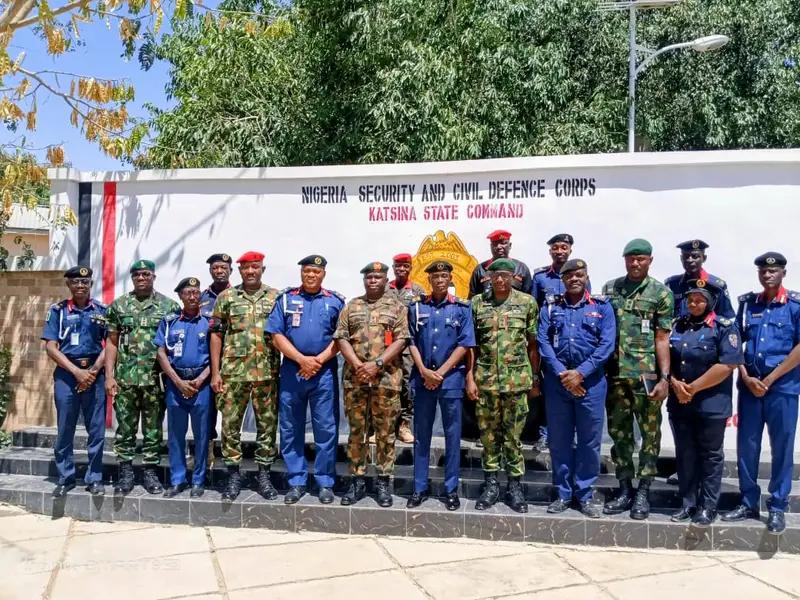
This daily struggle for food and safety is the backdrop for a significant development. The Nigerian Army and the Nigeria Security and Civil Defence Corps (NSCDC) have announced a strengthened operational partnership aimed specifically at protecting Katsina's local communities.
The Human Cost of Insecurity
For families like the Usmans, who haven't slept in their village home for months, the news brings a fragile flicker of hope. Displaced and living with relatives in town, their lives represent thousands upended by violence. "We just want to farm our land in peace," a local trader summarized, voicing a desperate wish that transcends politics—it's purely about survival.
What the Partnership Means on the Ground
The new alliance promises closer collaboration than before. This translates to concrete actions:
- Joint Patrols: Coordinated operations along dangerous rural roads and vulnerable areas.
- Shared Intelligence: Faster information sharing to act on tips about suspicious movements before attacks occur.
- Integrated Command: Streamlined efforts to avoid the gaps bandits have previously exploited.
Beyond Security: An Economic Imperative
The crisis is not solely a security one; it's an economic disaster. When roads are unsafe, the movement of goods grinds to a halt, customers stay home, and markets close. For small business owners, a stronger security presence could mean the difference between keeping a shop open or boarding it up forever. The success of this partnership will be measured in livelihoods saved as much as lives protected.
Cautious Optimism Amid Fatigue
Communities are weary of promises, having seen security operations come and go while bandits adapt and return. The test for this new alliance will be in the tangible details of daily life: Can children walk to school without fear? Can the weekly market in a remote village reopen?
The partnership between the Army and NSCDC in Katsina is a recognition that the status quo is unsustainable. Its ultimate measure will be whether the price of maize—and the peace of mind of those who grow it—can finally begin to fall.