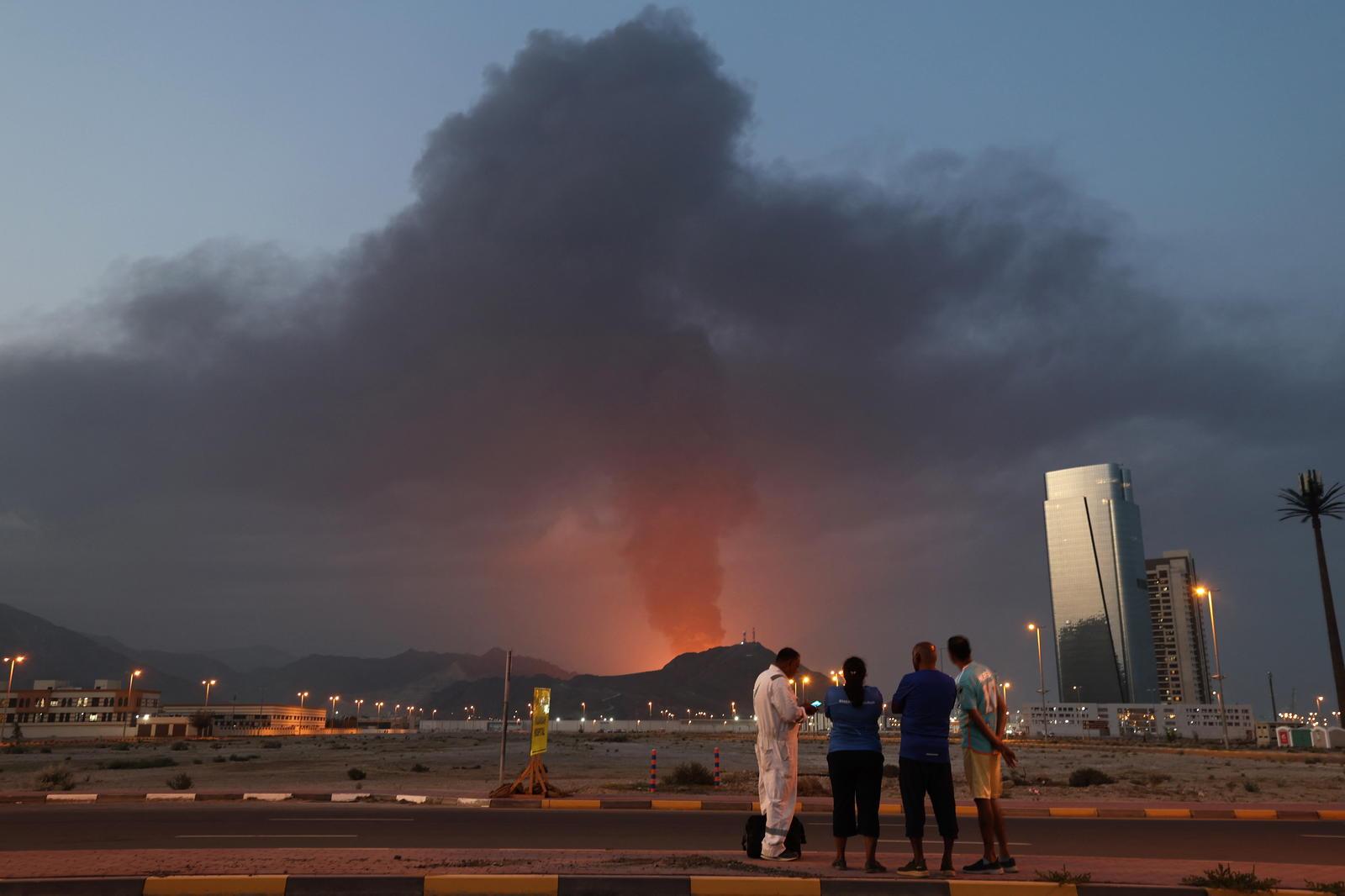
The Australian government has initiated a major operational shift, directing all non-essential officials to depart from Israel and the United Arab Emirates (UAE). This directive underscores a escalated security assessment by Canberra's intelligence agencies concerning the Middle East.
A Standard Precaution with Notable Scope
Government withdrawals of this nature are a standard protocol when a heightened risk to personnel is perceived. It allows diplomatic missions to maintain core functions with a reduced, more secure team on the ground. However, the specific criteria defining 'non-essential' status remains undisclosed.
The notable aspect of this order is its dual-country scope. By including both Israel and the UAE in a single directive, the Australian government signals a concern that is regional rather than isolated to a single nation's borders.
Decoding the Regional Threat Assessment
While the precise nature of the threat has not been specified, such actions are typically prompted by intelligence indicating risks of terrorism, armed conflict, or significant civil unrest. The primary mandate is the safety of Australian citizens and government personnel abroad, a core responsibility of the Department of Foreign Affairs and Trade.
For Israel, the move occurs within the context of persistent regional tensions. Australia maintains diplomatic relations with Israel, and many citizens travel there for various purposes.
The inclusion of the UAE, however, amplifies the seriousness of the assessment. Renowned as a stable commercial, diplomatic, and transport hub in the Gulf, the UAE hosts a large international community, including many Australians. A security evaluation severe enough to warrant pulling officials from its major cities like Dubai and Abu Dhabi points to a substantial and broad-based concern.
Implications and Next Steps
This withdrawal of officials often serves as a precursor to updated formal travel advice for the general public. Australian citizens in the region and those planning travel are advised to monitor official government channels closely for updates. The situation remains fluid, and this diplomatic action is a clear indicator that Canberra is prioritizing caution in an evolving security landscape.