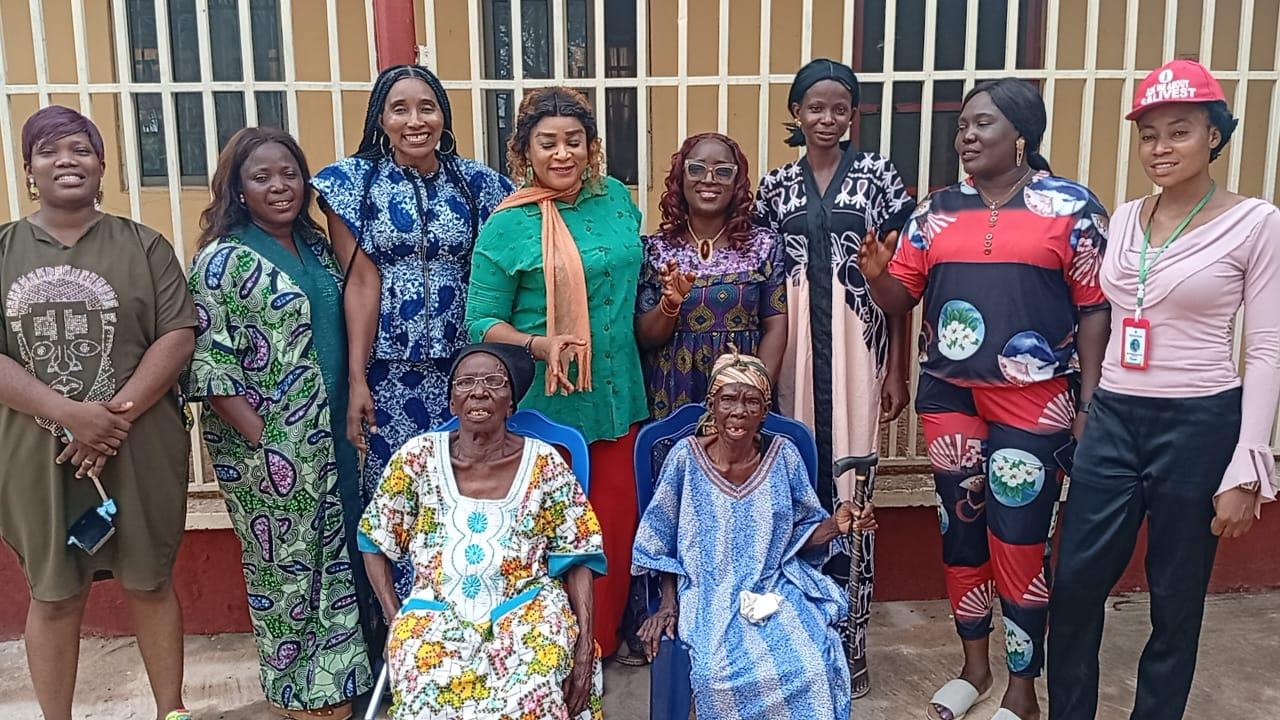
Ayobo-Ipaja Local Council Development Area has distributed N100,000 grants to 100 residents. The council also provided 500 free Unified Tertiary Matriculation Examination forms. This dual initiative represents a direct investment in the community's economic and educational future.
The cash grants aim to empower recipients financially. Each beneficiary received a substantial sum to invest in small businesses or personal needs. This direct cash transfer model bypasses bureaucratic hurdles, putting resources directly into residents' hands. The N100,000 figure is significant—it's a sum that can seed a micro-enterprise, cover urgent family expenses, or act as crucial working capital for existing traders in the local market. For a local council, this represents a deliberate choice to fund individuals over infrastructure, betting on the multiplier effect of grassroots entrepreneurship.
Providing 500 free UTME forms tackles a significant barrier to higher education. The cost of these examination forms can be prohibitive for many families. By removing this financial obstacle, the council opens doors for hundreds of young people to pursue university admission. The UTME is the mandatory gateway exam for all Nigerian universities and polytechnics. Its cost, while seemingly modest to some, can force difficult choices in low-income households—often between school fees and other necessities. This intervention directly intercepts that crisis point for 500 families.
Combining economic and educational support creates a holistic approach to community development. The grants address immediate financial pressures for adults and families. The free forms invest in the long-term prospects of the area's youth, building a more skilled future workforce. This two-pronged strategy acknowledges that poverty is multidimensional. Stabilizing a household's finances today can prevent a student from dropping out tomorrow. Investing in a student's exam fees today can lead to a graduate who lifts the entire family's economic standing in years to come.
Local government initiatives like this demonstrate a shift toward direct, tangible support. Rather than funding large infrastructure projects, the council chose to empower individuals. This model can have a rapid, visible impact on household economies and educational access. It's a stark contrast to slower, less personal projects like road repairs or building renovations. The impact here is measured in immediate household relief and clear educational pathways, which can generate faster political goodwill and more recognizable success stories within the community.
The scale of the program is notable. One hundred grants represent a significant financial commitment from the LCDA's budget. Distributing 500 exam forms suggests a strong focus on supporting a large cohort of students in a single academic cycle. The total direct cash outlay for the grants alone is N10 million. The cost for 500 UTME forms adds a substantial sum, though less than the grants. This scale indicates the initiative was a major budgetary line item, not a token gesture. It targets a meaningful segment of the local population.
Such programs raise questions about sustainability and selection criteria. The council's announcement does not detail how beneficiaries were chosen for the grants or forms. The long-term impact will depend on how recipients utilize these opportunities and whether similar initiatives follow. Without transparent criteria, perceptions of favoritism could undermine the program's legitimacy. Sustainability is another key issue—is this a one-off event or the start of an annual program? The answer determines whether this is a lasting policy or a short-term spectacle.
The initiative's success hinges on effective use. A N100,000 grant can transform a small business if invested wisely in stock or equipment. It can also be consumed by debt or emergency needs without generating future income. Similarly, a free UTME form is only the first step; students must still prepare for, pass, and afford the subsequent costs of university education. The council's role may need to extend to offering business mentorship or academic coaching to ensure these investments yield maximum returns for the community.
The Ayobo-Ipaja LCDA's action sets a precedent for other local governments, proving direct citizen investment is a viable governance strategy. It challenges neighboring councils to consider similar direct empowerment models. It also places a spotlight on local government efficacy—often criticized for corruption and inertia—by showing a clear, measurable output: 100 people got cash, 500 students got forms. The model's replication will depend on its visible results and the political will to prioritize direct transfers over other spending.
Future monitoring will be essential. Tracking the business outcomes of grant recipients and the university admission rates of form beneficiaries will provide hard data on the program's return on investment. This data could justify expanding the program or guide improvements for future cycles. Without follow-up, the initiative risks being remembered only as a giveaway, not a genuine development tool.
The council's dual initiative is a direct response to Nigeria's intersecting crises of poverty and educational inequality. It operates at the precise level of government closest to the people. Its impact, while localized, offers a tangible case study in community-focused budgeting. The real test begins now—in the markets, homes, and exam halls where the money and forms meet reality.