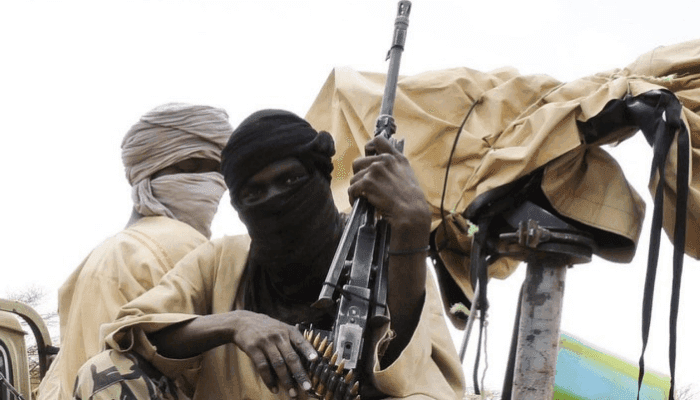
At least 14 people have been killed and many others injured in a series of renewed bandit attacks targeting communities in Katsina State. The violence, which occurred on or around March 10, 2026, represents a significant escalation in the region's long-running security crisis.
The attacks underscore the persistent threat posed by armed criminal groups, often referred to locally as bandits, who operate with impunity across northwestern Nigeria. These groups typically carry out raids on villages, kidnapping residents for ransom, stealing livestock, and destroying property. The latest assaults fit a familiar pattern of violence that has displaced thousands and crippled local economies in Katsina and neighboring states.
The Human Cost Beyond the Headlines
While the specific communities targeted have not been named in the verified reports, Katsina has been a frequent flashpoint for such deadly incursions. The human cost of these attacks extends beyond the immediate fatalities and injuries. Survivors often face profound trauma, loss of livelihood, and the destruction of their homes, forcing many to flee to larger towns or internally displaced persons camps. The psychological impact on communities living under constant threat of violence is profound and long-lasting, eroding social cohesion and normal life.
Security Challenges and Government Response
Security forces in the region have repeatedly launched operations aimed at curtailing bandit activity, but with limited lasting success. The vast, often rugged terrain of the northwest provides cover for militant groups, making them difficult to track and engage. Furthermore, these criminal networks are often well-armed, sometimes with weapons believed to be sourced from conflict zones in the Sahel region.
The Nigerian government has faced sustained criticism for its handling of the insecurity in the northwest. Critics argue that a purely military response is insufficient without addressing the root causes of the conflict, which include poverty, unemployment, and historical grievances over land and resources. The cycle of violence continues as communities remain caught in the crossfire of a complex crisis.


