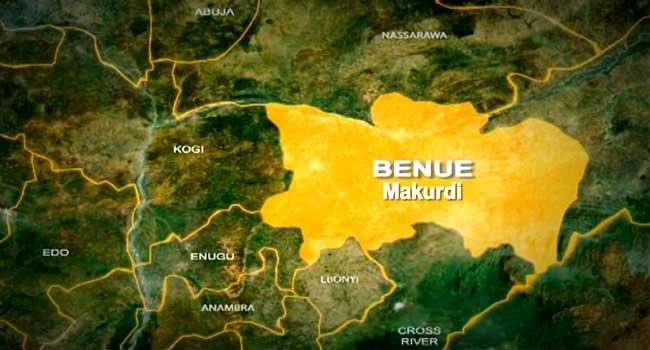
<h2>A Community's Agony, Compounded</h2><p>In Benue, a community prepared for a somber, collective act of closure: the burial of 13 victims. Grieving families had endured the initial loss, gathered their strength, and made arrangements to finally lay their loved ones to rest. However, in a cruel and bizarre twist, the entire ceremony has been abruptly cancelled. The reason? The mortician entrusted with the victims' remains has vanished without a trace.</p><h2>A Sacred Trust, Shattered</h2><p>The disappearance represents more than a logistical failure; it is a profound breach of a sacred trust. Families place the care of their deceased in the hands of professionals, expecting dignity and responsibility above all. This trust has now been shattered, leaving 13 bodies in a state of administrative and emotional limbo. The practical question of what to do with the remains is now entangled with a mystery: where is the mortician, and what happened?</p><h2>Questions Without Answers</h2><p>The silence from official channels deepens the community's distress. Key questions remain unanswered: Was this a solo operation? What procedures or records vanished with the individual? Are other staff or local officials involved or aware? The lack of a clear investigative update leaves families stranded, their trauma compounded by uncertainty and a feeling of profound disrespect.</p><h2>The Human Cost of Lost Closure</h2><p>Funerals are a cornerstone of cultural practice and psychological closure. To have that process denied—especially after anticipation—inflicts a secondary trauma that is difficult to overstate. The community's anger and confusion are palpable, transforming grief into a frustrating battle for basic answers and resolution.</p><h2>What Comes Next?</h2><p>The path forward is murky. Local authorities and health officials must now prioritize two parallel tracks: investigating the mortician's disappearance and establishing a new, secure chain of custody for the deceased. Until these steps are addressed, the possibility of a rescheduled burial remains distant, leaving a community's wound painfully open.</p>
Benue Burial Cancelled After Mortician Vanishes, Leaving 13 Victims in Limbo
A community's grief is compounded by a bizarre disappearance that has left 13 victims in limbo.