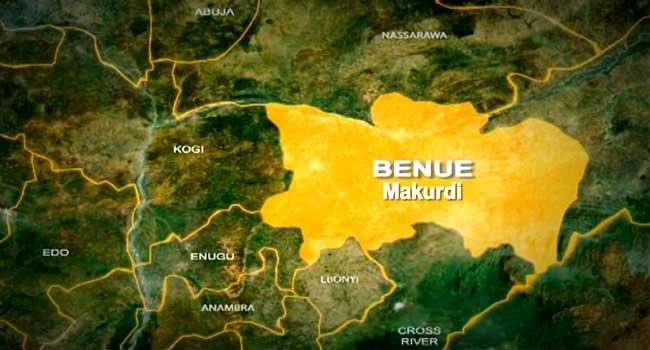
A planned funeral in Nigeria's Benue State has been abruptly cancelled, leaving grieving families in a state of shock and confusion. The burial for 13 victims was called off after the mortician responsible for handling the bodies vanished without a trace.
A Crucial Link Missing
The cancellation represents a massive disruption for the community. Families prepared to finally lay their loved ones to rest found themselves unable to proceed with any arrangements. Without the missing mortician, authorities reportedly cannot access the bodies held in the facility, creating a logistical and emotional impasse.
More Than a No-Show
The incident highlights the critical, often overlooked role of morticians as custodians of the deceased. Their duties of preservation and preparation are essential links in the chain of funeral rites. This sudden absence doesn't just represent a personnel issue; it throws an entire ceremonial and administrative process into chaos and exposes a potential single point of failure in the system.
Compounded Grief
For the affected families, this delay compounds an already profound tragedy. Funerals serve as a critical step for psychological closure and cultural observance. Having this process denied adds a fresh layer of trauma. Relatives who may have made travel arrangements, gathered funds, and steeled themselves emotionally now face an agonizing and uncertain holding pattern.
The Path Forward
Authorities now confront a dual challenge. The immediate priority is locating the missing professional and ensuring the security and dignity of the victims' remains. Concurrently, they must manage the community fallout and support the families whose mourning process has been violently interrupted.
This bizarre and unsettling situation forces a necessary examination of the protocols and backup systems in place at such facilities. It asks a stark question: what contingency plans exist when the keeper of the keys disappears?