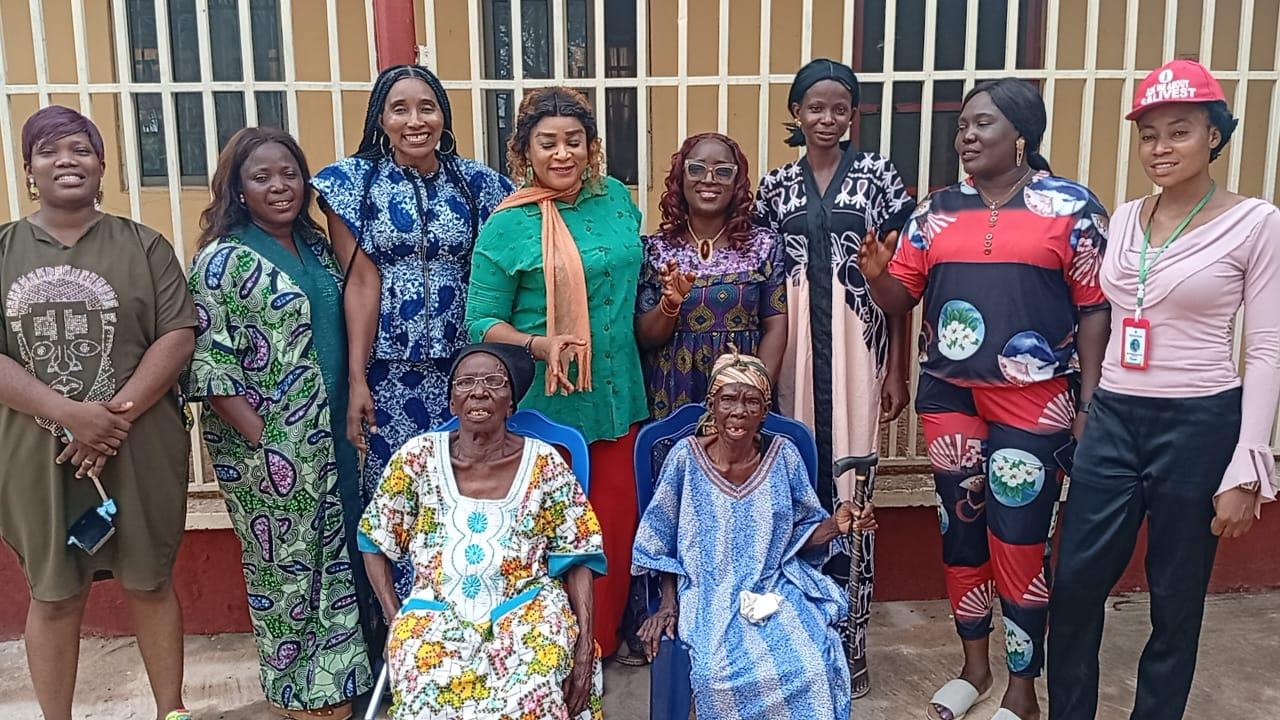
As the world prepares to mark International Women's Day on March 8th, a new report offers more than just reflection—it provides a clear, eight-point plan for creating a more equitable world. Titled 'International Women’s Day: Eight actions for a more equal world,' the document represents a significant shift from broad advocacy to targeted, measurable interventions.
The Need for a Concrete Plan
International Women's Day has its roots in early 20th-century labor movements and has grown into a global day of recognition. While it serves to celebrate women's achievements, its power lies in catalyzing future progress. This year's call for a structured plan is particularly urgent. According to the World Economic Forum's Global Gender Gap Report, at current rates of change, it will take over a century to close the overall global gender gap. Progress has slowed or stalled in many areas, from economic participation to political empowerment.
What the 'Eight Actions' Framework Represents
While the full details of each action point are not yet public, the framework itself is a critical development. It signals a move towards evidence-based strategies that different sectors—governments, businesses, civil society—can implement. The plan is expected to address persistent, systemic barriers that data consistently highlights:
- The Gender Pay Gap: Unequal pay for work of equal value.
- Unpaid Care Work: The disproportionate burden of domestic and care responsibilities falling on women.
- Representation Gaps: Severe underrepresentation of women in leadership, boardrooms, and political offices.
- Safety and Autonomy: Ongoing threats to women's bodily autonomy and safety worldwide.
From Framework to Action
The true test of this eight-point plan will be its adoption and implementation. As International Women's Day events unfold with marches, strikes, and campaigns, this report provides a tangible tool for advocates and policymakers. It challenges the global community to move beyond annual symbolism and commit to the specific, sometimes difficult, steps required for genuine parity. The conversation is no longer just about identifying problems, but about executing a shared solution.