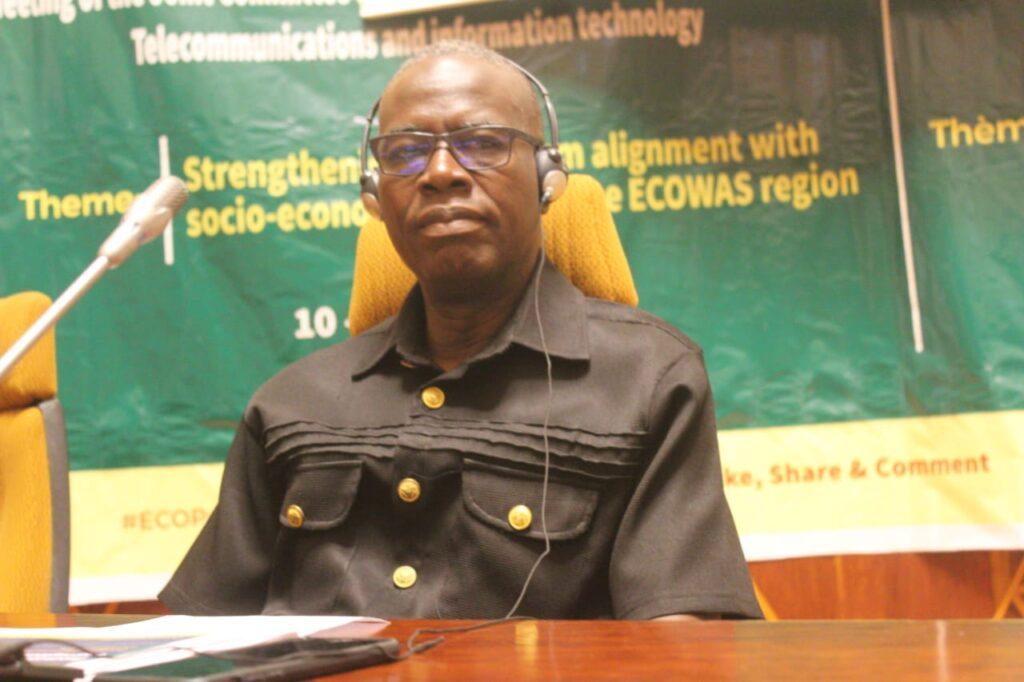
In a quiet office in Monrovia, a lawmaker stares at a stack of reports detailing student performance across West Africa. The numbers tell a familiar, frustrating story of stalled progress. For years, the conversation has been about reform, but the classrooms remain largely unchanged. Today, that lawmaker is breaking the silence with a direct challenge: West African governments must stop talking and start building a new future for millions of students.
The Call for Concrete Action
This is not a plea for another study or a new policy paper. It is a demand for actionable steps to rebuild an education system that many argue is failing a generation. The lawmaker’s voice joins a growing chorus of educators and parents who see a widening gap between the skills taught in schools and those needed in a modern, competitive economy. They point to systemic issues: chronically overcrowded classrooms, demoralized and underpaid teachers, and curricula that haven't kept pace with the digital world, still emphasizing rote memorization over critical thinking and problem-solving.
The Symptoms of a Strained System
Across the region, from coastal cities to rural villages, the consequences are visible. Technical and vocational training (TVET), crucial for driving economic development and entrepreneurship, frequently lacks proper funding, modern equipment, and industry linkages. This fundamental disconnect leaves young graduates unprepared for the job market, fueling youth unemployment and widespread disillusionment.
The Case for a Regional Strategy
The lawmaker’s plea specifically targets the need for a coordinated regional approach. West African nations, bound by similar colonial histories and post-independence challenges, may find a unified strategy more effective than fragmented national reforms. A regional overhaul could standardize qualifications, facilitate teacher exchanges, pool resources for digital learning platforms, and create shared benchmarks for success—leveraging collective strength for a common goal.
The Road Ahead: Obstacles and Opportunity
However, the path from demand to delivery is fraught with obstacles. Major educational transformation requires immense political will, significant and sustained financial investment, and bureaucratic follow-through over many years. The proposal is expected to be a central topic at the next ECOWAS parliamentary session, testing the region's commitment to turning critique into construction. The question remains: Will this call be the catalyst for a collaborative rebuild, or another report added to the stack?