The price of eggs went up again at the market this morning, and old Mr. Davoudi, while counting his coins, just shook his head. 'It's all noise from the palaces,' he muttered to no one in particular. 'They shout at each other while we count the cost of bread.'
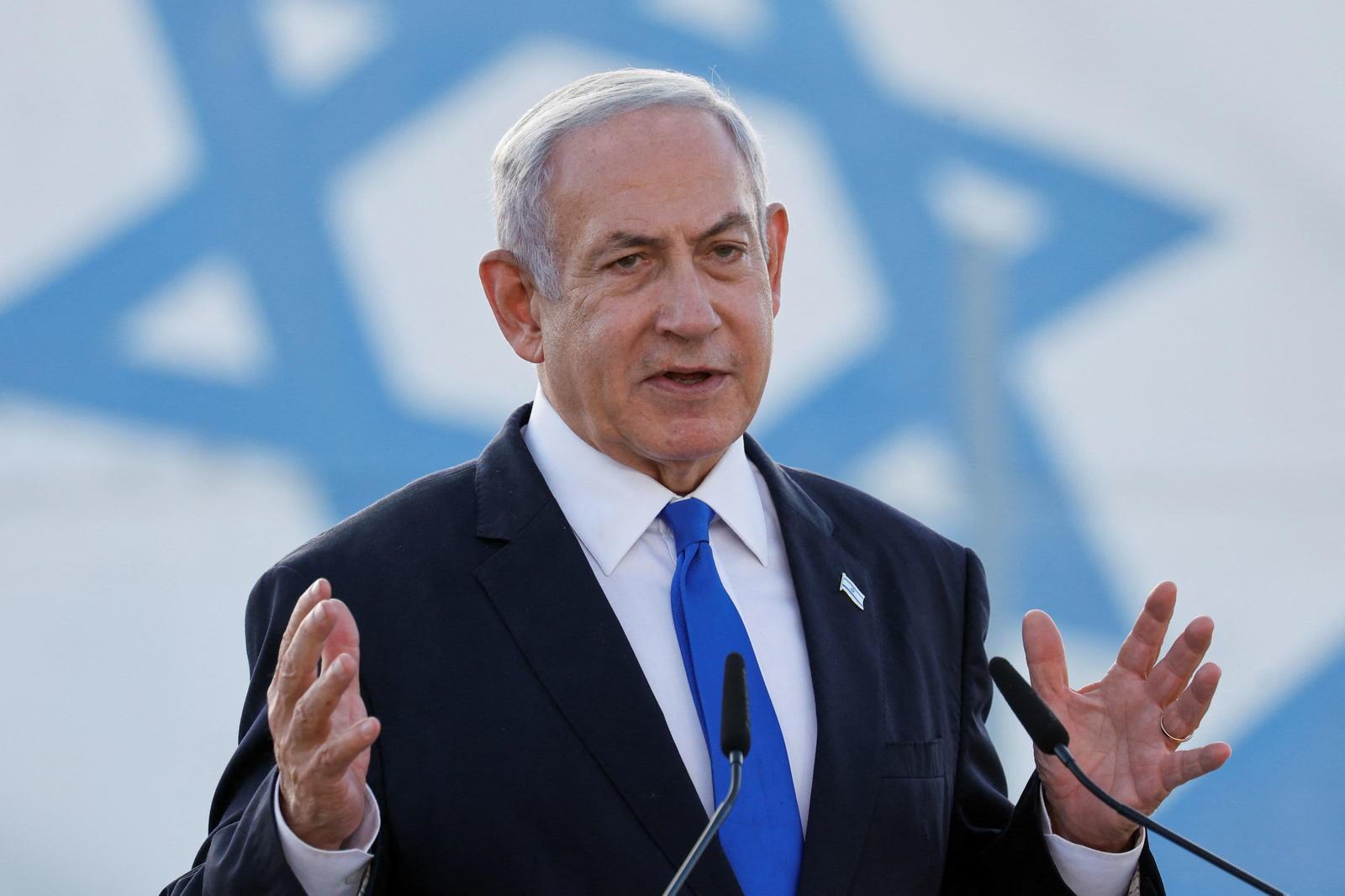
That noise reached a new crescendo this week. Israeli Prime Minister Benjamin Netanyahu publicly declared that Iran's new leader 'can't show his face in public.' The line, delivered on the international stage, did not land here as a dry diplomatic communiqué. It landed as a street-level taunt—the kind traded in a schoolyard, if the schoolyard sat atop decades of shadow war and existential threats.
From Tea Shop Whispers to International Amplification
For many Iranians, the 'faceless' jab bypasses obscure political protocol. It plugs directly into a long-running undercurrent of rumor—whispered in tea shops, debated in taxis—that the true levers of power in Iran are pulled from the shadows. By voicing this publicly and attaching the weight of a foreign government to it, Netanyahu performed a potent alchemy: he transformed local gossip into a formal, international insult. The effect, as described by observers on the ground, is 'like throwing a match on dry tinder.'
The Ripple Effect of Rhetoric
The consequences of such escalated rhetoric are never merely rhetorical. You do not need to follow the intricate dance of regional politics to feel the tension it generates.
- Economic Hesitation: Young couples saving for a first apartment pause their plans, wondering if another wave of sanctions or market instability is imminent.
- Logistical Snarls: Truck drivers who haul essential goods across regional borders begin reporting new 'security checks' and unexplained delays, squeezing supply chains.
- A Climate of Uncertainty: Netanyahu's comment is ultimately read as a signal—a confirmation that the old, entrenched hostility between the two states is alive and well, merely under new management. That signal translates directly into personal and economic uncertainty, which is toxic for business, long-term planning, and simple peace of mind.
The Power of a Missing Portrait
A subtle, telling detail underscores the moment: there is still no official portrait of the new leader hanging in many government offices downtown. Locals have noted it, with some attributing it to a secretive transition and others to mere bureaucratic sloth. But when a foreign adversary highlights that absence as a weakness, the internal conversation shifts. The domestic mystery is suddenly framed as an international vulnerability.
Netanyahu's barb, therefore, operates on two levels. It is a strategic volley in a long-running war of words between regimes. More profoundly, it is a catalyst that turns abstract geopolitical friction into the palpable anxiety of daily life, proving that in the Middle East, the words of leaders are never just words—they are weather vanes for storms to come.