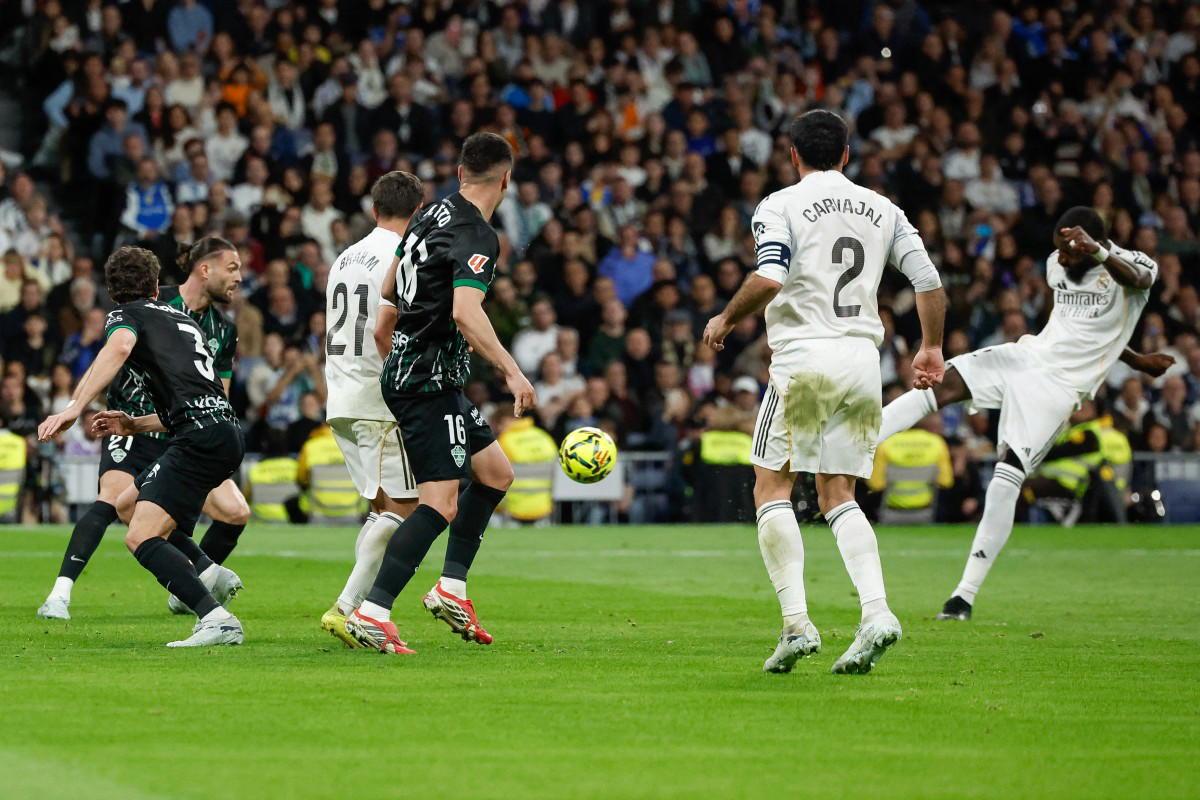
The news hit the tea shops and street-side cafes first, spreading faster than a rumor about rising bread prices. Iran's national football team, Team Melli, has pulled out of the 2026 FIFA World Cup. For millions of fans—from young men huddled around TVs replaying old matches to families planning shared moments—the announcement felt like a punch to the gut. Their dreams of seeing their nation on the world's biggest sporting stage have evaporated.
More Than a Game: A Stolen Source of Unity
In Iran, the World Cup transcends sport. It represents a rare, sanctioned moment of collective national pride and a temporary escape from daily pressures. For four years, families anticipate the tournament, with parents promising their children they will watch together, often saving from tight budgets for a special meal during matches. This withdrawal doesn't just cancel games; it removes a simple, profound joy and a cornerstone of community spirit from the calendar for 2026.
The Economic Ripple Effect
The impact is immediately tangible in the local economy. Street vendors and shopkeepers in bazaars across the country, who stock up on flags, jerseys, and memorabilia every four years, are already calculating steep losses. "We plan for this for years," one vendor in Tehran's Grand Bazaar explained, requesting anonymity. "It's not just my income; it's the painters, the seamstresses, the distributors—everyone in the chain who works on this stuff." The pre-tournament buzz that typically lifts countless small businesses has been silenced.
A Generation of Players Left in the Dark
Perhaps the most poignant fallout is among Iran's youth footballers. For aspiring players in local academies, the World Cup is the ultimate dream and the light at the end of a grueling training road. That destination has now vanished. Coaches report young athletes grappling with demotivation and existential questions about their future. "Why train so hard if our country won't even be there?" one teenage player was overheard asking after practice, his voice thick with frustration. The withdrawal clouds not just fandom, but the entire development pathway for the nation's football talent.
An Unfilled Void and Unanswered Questions
The decision leaves a palpable void in the social fabric. Communities are left wondering what will replace the shared experience of summer 2026: the impromptu street celebrations after a win, the collective sigh after a loss. These were moments that briefly united people from all walks of life. Compounding the heartbreak is a pervasive sense of confusion, as no clear, public explanation for the withdrawal has been provided. In the absence of official reasons, speculation fills the space where national pride once lived.