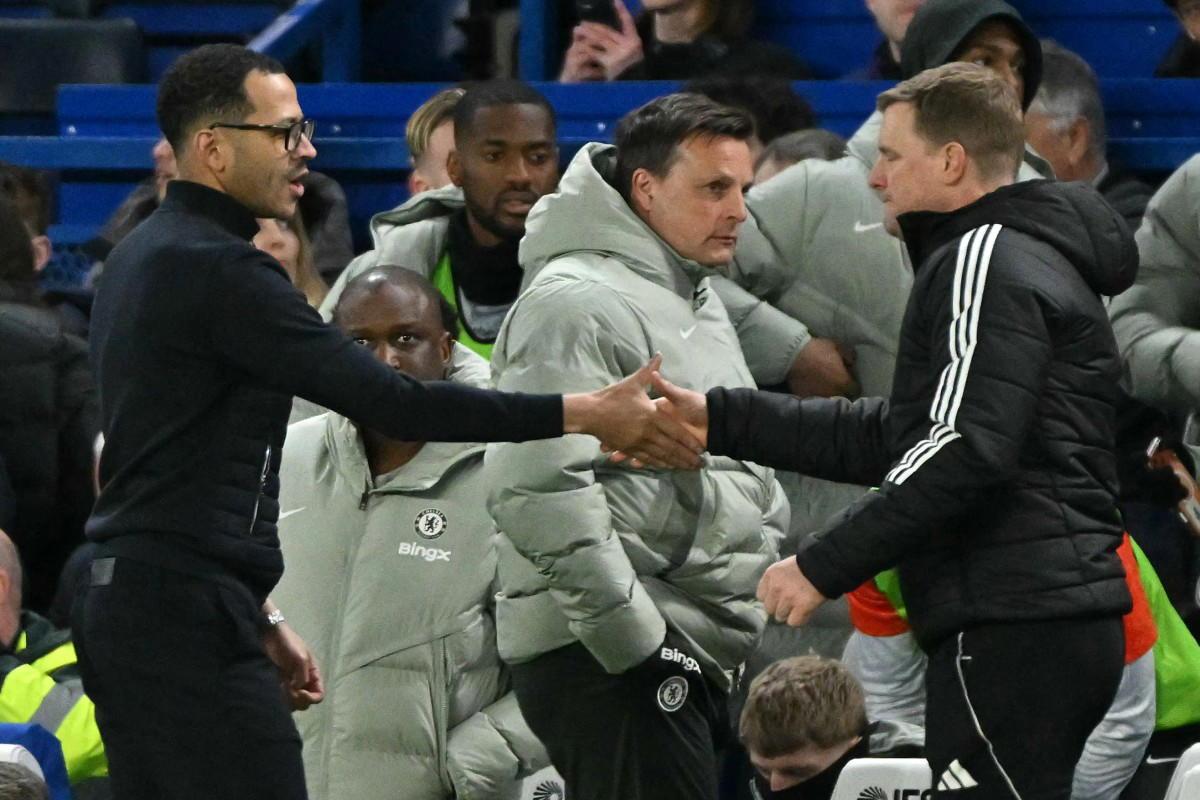
In the aftermath of a Premier League defeat, managers typically dissect missed chances, defensive errors, or contentious refereeing decisions. For Liam Rosenior, following his side's loss to Chelsea, the focal point was something far more unusual: the physical formation of the officiating crew.
The Bizarre Moment
Rosenior's ire was directed at a peculiar mid-game incident where the match referee gathered his assistant referees and the fourth official for an impromptu huddle. This spontaneous conference, occurring at a critical juncture, became the central theme of the manager's post-match press conference. "It disrupted the flow of the game," Rosenior stated, suggesting the unusual pause shattered his team's momentum as they sought a comeback.
A Novel Complaint in a Familiar Debate
While blaming officials is a staple of post-defeat analysis, the nature of this grievance breaks new ground. The complaint bypasses traditional disputes over penalty shouts or red cards, zeroing in instead on the referees' own 'tactical' communication. Rosenior's argument introduces a fresh layer of absurdity to the manager's lament, questioning not a decision, but the method and timing of the officials' internal discussion.
Magnified Under the Microscope
This incident did not occur in a vacuum. It unfolds during a Premier League season where refereeing standards and the use of technology are under unprecedented scrutiny. Every anomaly is amplified. A public, unexplained huddle by the officials—a visual symbol of opaque decision-making—perfectly encapsulates the current climate of suspicion and demand for transparency.
The Lingering Mystery
Ultimately, the content of the huddle remains a mystery. Was it a complex VAR check communicated poorly? A simple administrative discussion? The lack of clarity around its purpose fuels frustration. Rosenior's comments ensure this odd moment will be added to the ongoing dossier of case studies used in the debate about consistency, communication, and the perceived barriers between match officials and the teams they manage.
The result against Chelsea is recorded, but the conversation has been successfully pivoted to a more philosophical question: in an era of intense analysis, how should officials communicate, and when does their necessary collaboration become an unnecessary disruption?