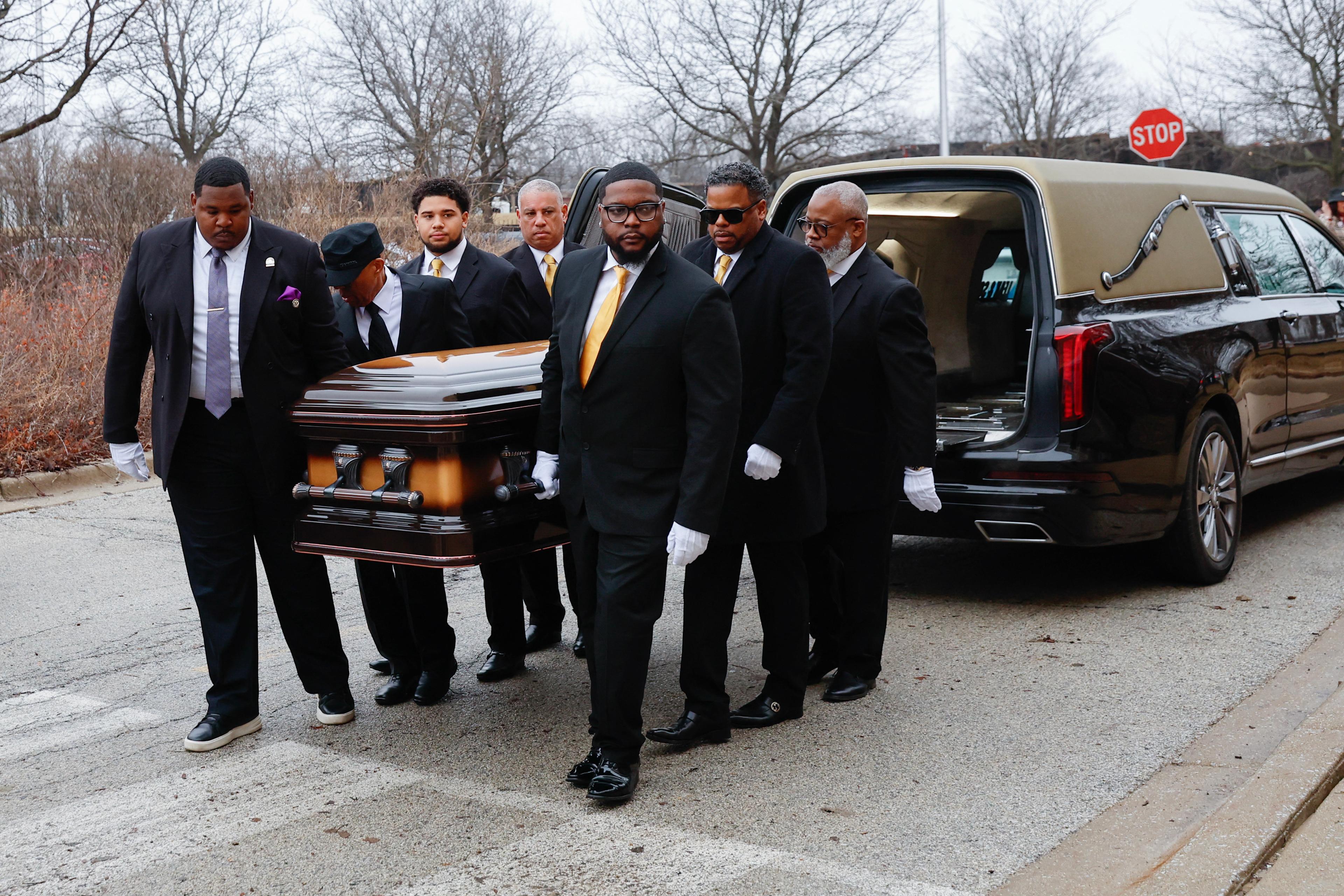
In a powerful display of respect and historical significance, President Joe Biden joined former Presidents Barack Obama and Bill Clinton at a memorial service honoring the late Reverend Jesse Jackson. The event marked a rare convergence of current and former executive leadership from the same party, assembled to pay tribute to a figure who fundamentally shaped the modern Democratic Party and the civil rights movement.
The Architect of a Movement
Reverend Jesse Jackson's career was a bridge across eras. From marching alongside Dr. Martin Luther King Jr. to launching groundbreaking presidential campaigns in 1984 and 1988, Jackson's activism spanned over five decades. He founded the Rainbow PUSH Coalition, an organization dedicated to fighting for racial and economic justice. His presidential runs were not merely symbolic; they demonstrated the growing political power of Black Americans and successfully pushed the Democratic Party to adopt more progressive platforms and prioritize voter mobilization.
A Legacy Etched in Policy and Power
The presence of three presidents at his memorial is a testament to Jackson's role as a mentor, advisor, and force within the highest levels of government. His work advanced critical voter registration drives and advocacy for policies aimed at dismantling systemic inequality. Jackson's influence helped pave the way for the political landscape that would eventually see the election of the nation's first Black president—a direct line from his efforts to expand the electorate and challenge the status quo.
Why This Gathering Matters
Such assemblies of multiple former and sitting presidents are uncommon, typically reserved for figures of monumental national significance. This collective tribute signals the deep personal and political connections Jackson forged across generations. It serves as a public acknowledgment that his advocacy for justice was not a sidebar to American politics, but a central force in shaping its direction. The memorial was not just a look back, but a recognition of a legacy that continues through ongoing activism and the structural changes he championed.