The dust has barely settled around the recaptured military outpost in Borno State, but Nigeria's top military commanders are already gathering in Abuja for a critical strategy review. This high-level meeting comes directly after Nigerian soldiers fought to reclaim control of their base, a stark reminder that the conflict in the northeast remains a live wire.
The Ground Operation
For the troops on the ground, the operation to retake their position was a grueling test of resilience. Moving through familiar terrain now made dangerous by recent violence, their objective was clear: restore the military's presence and secure the area. The successful recapture represents a significant tactical reversal. However, it follows an assault that demonstrated the insurgents' continued capacity to strike strategic targets, forcing an immediate recalculation of tactics and resource allocation.
The Strategy Session in Abuja
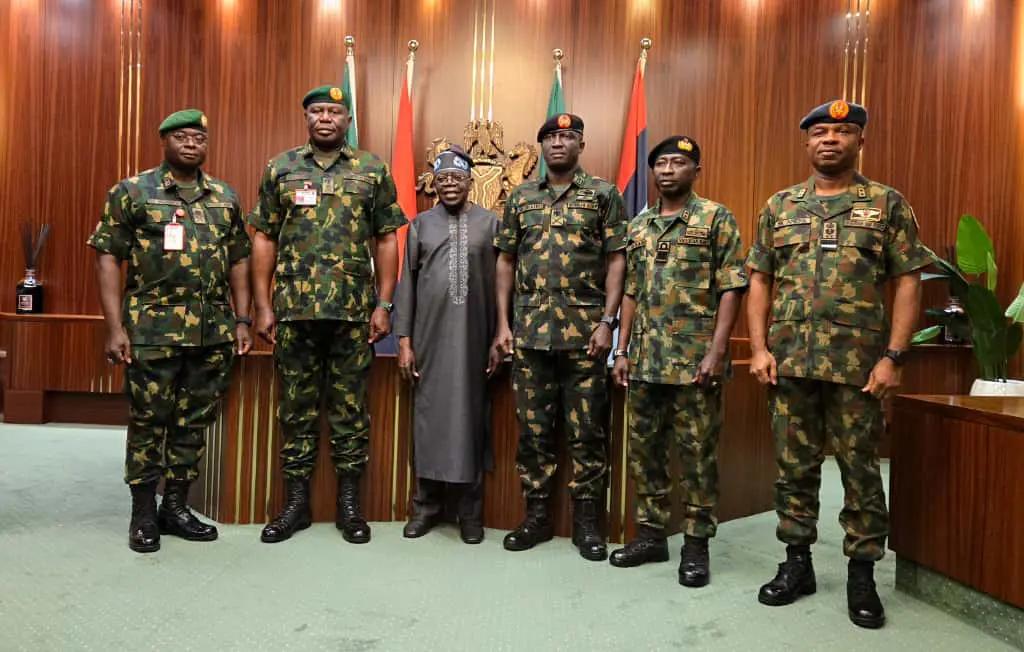
Back in the capital, the service chiefs—the heads of the army, navy, air force, and defence staff—are tasked with turning these battlefield events into revised national policy. Their strategy session is not merely reactive; it is a concerted attempt to anticipate the next move of an adaptive and persistent adversary. While the recapture of the base provides a moment of operational success to analyze, the preceding attack exposes vulnerabilities in security posture that must be urgently addressed. These reviews have become a constant, if grim, feature of Nigeria's long-running counter-insurgency campaign.
Impact on Local Communities
Communities in Borno State live with the direct, human consequences of this cycle of attack and response. When a military base is targeted, it sends shockwaves through nearby towns and villages, reigniting deep-seated fears of broader violence and displacement. The sound of gunfire and the sight of military reinforcements racing past are visceral, daily reminders that safety is provisional. 'We hear the fighting, we see the soldiers going back in,' a local trader who asked not to be named told reporters, encapsulating the anxiety that defines life in the region.
The outcome of the Abuja meeting will be closely watched, as its decisions will directly influence the security landscape and the lives of millions in Nigeria's northeast.