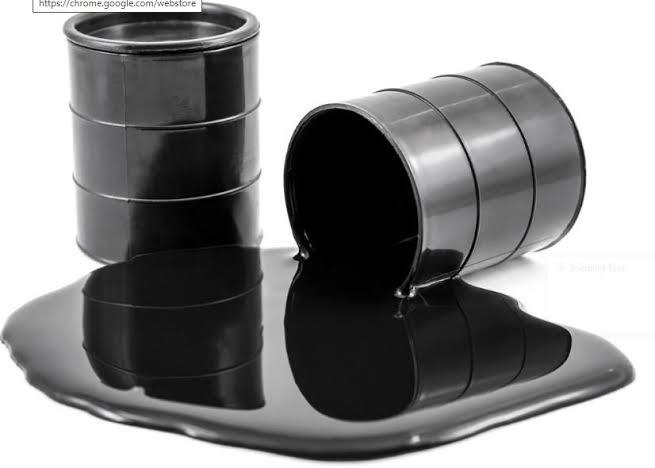
The global energy landscape shifted significantly this week as the price of Brent crude oil closed above $100 per barrel. This marks the first time the key international benchmark has reached triple digits since 2022, breaking a major psychological barrier with immediate implications for global inflation, consumer spending, and economic policy.
Understanding the Benchmark: What is Brent Crude?
Brent crude is a type of oil extracted from the North Sea. Its price is not just a number for traders; it serves as the primary pricing reference for approximately two-thirds of the world's internationally traded crude oil. When Brent moves, the cost basis for fuels like gasoline, diesel, and jet fuel moves with it. Furthermore, it sets the tone for the price of countless petroleum-derived products, from plastics and synthetics to fertilizers and industrial chemicals.
A Flashback to 2022 and the Forces at Play Today
The last sustained period above $100 was driven by the potent combination of post-pandemic economic recovery and the severe supply disruptions following Russia's invasion of Ukraine. The return to this level suggests a new confluence of factors is tightening the global market. While specific catalysts vary, such surges typically stem from a mix of constrained supply—due to production cuts, geopolitical instability, or refinery outages—and robust demand from a resilient global economy.
The Direct Impact: From the Barrel to the Pump
For consumers, the mechanics are direct. Crude oil is the primary raw material for gasoline. As its price rises, the cost of refining and distributing gasoline increases, leading to higher prices at the pump, usually within a few weeks. This acts as an effective tax on households, reducing disposable income that could be spent elsewhere in the economy, potentially slowing growth.
The Bigger Picture: A Complicated Fight Against Inflation
The resurgence of $100 oil presents a fresh challenge for central banks, including the U.S. Federal Reserve and the European Central Bank. Energy prices are a core component of inflation metrics. A sustained increase in oil prices can make it more difficult to bring inflation down to target levels, potentially influencing the timing and pace of future interest rate decisions.
The breach of the $100 threshold is more than a milestone; it's a signal of renewed economic pressure. Its staying power will depend on the evolving balance of global supply and demand, making it a critical number to watch for policymakers, businesses, and consumers alike.