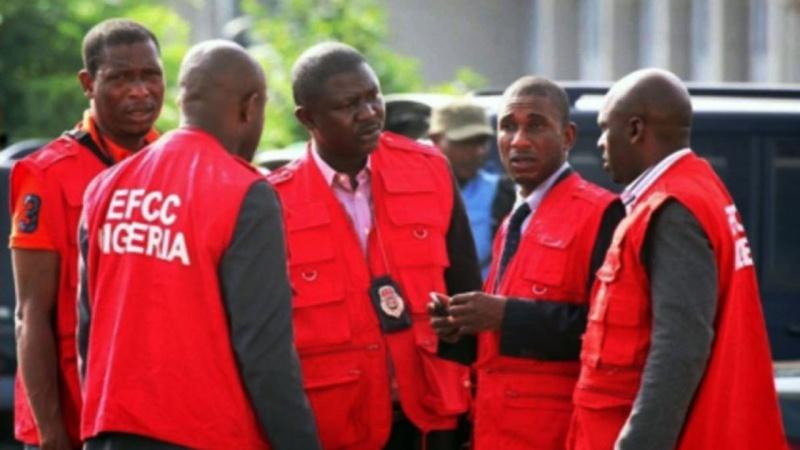
A businessman and his company have been formally arraigned in court over an alleged $1.5 million fraud related to an oil transaction. Nigeria's primary anti-corruption agency, the Economic and Financial Crimes Commission (EFCC), is prosecuting the case, marking a significant legal step concerning a substantial sum within the nation's vital energy industry.
Understanding the Arraignment
Arraignment is the formal court process where charges are read to a defendant, who then enters a plea of guilty or not guilty. In this instance, the EFCC—tasked with investigating and prosecuting financial crimes—presented the case. Initial reports have not yet revealed the specific mechanics of the alleged fraud or the identities of other potential parties involved.
The Oil Sector Context
The case centers on Nigeria's oil and gas sector, the backbone of the national economy. Oil exports provide the majority of the government's foreign exchange revenue. Historically, the sector's high financial stakes have made it vulnerable to various corrupt practices, including contract manipulation, kickbacks, and crude oil theft.
The Role of the EFCC
Think of the EFCC as Nigeria's equivalent of a dedicated financial crimes bureau. Established in 2003, its mandate covers investigating and prosecuting offenses such as advance-fee fraud ('419' scams), money laundering, and public and private sector corruption. High-profile cases, especially those involving the lucrative oil industry, are a major focus as the agency works to demonstrate its enforcement capabilities.
Scale and Significance of the $1.5 Million Figure
The $1.5 million allegation indicates a serious, high-value case. For context, this sum is equivalent to over one billion Nigerian naira at current exchange rates. The amount underscores the significant financial interests involved in the country's energy transactions and the potential scale of the alleged scheme.
This development signals continued enforcement activity in a sector critical to Nigeria's economic health. The progression of this case will be closely watched as a test of accountability and legal process within the complex landscape of the nation's energy deals.