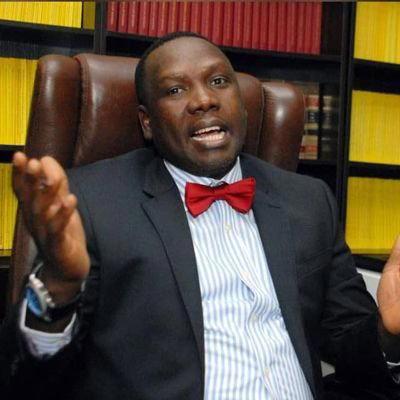
The chatter in Nigeria's markets and bus parks has shifted. Alongside debates about the price of garri, a new topic dominates: a high-profile political denial. Daniel Bwala, a prominent figure from the last election cycle, has publicly and categorically stated he never accused President Bola Tinubu of creating a militia to influence election results.
The Denial That Stopped the Chatter
The statement is stark in its clarity: "I never said Tinubu created militia to sway election." In a political environment often characterized by indirect language and insinuation, such a direct, full-stop denial cuts through the noise. It forces a moment of pause, redirecting the conversation from the allegation itself to the act of its retraction.
Why It Matters Beyond the Headlines
For many Nigerians, this is not mere political gossip. The memory of the election season—its long queues, palpable tension, and rampant WhatsApp rumors—is still fresh. An allegation concerning a militia would have represented a profound threat to the democratic process. Therefore, Bwala's denial, given his previous role as an opposition spokesman, carries significant weight and creates cognitive dissonance. If the accusation wasn't made by him, citizens are left asking: where did it originate?
The Erosion of Public Trust
This episode touches a raw nerve: the fragility of public trust. For the average Nigerian, faith in the words of political leaders is already strained. When serious accusations surface only to be forcefully denied, it further erodes that trust. This erosion has real-world consequences, making it increasingly difficult for citizens to discern truth from narrative when critical decisions on the economy and national policy are being made. People feel caught in the crossfire of competing stories.
Denial as a Beginning, Not an End
Paradoxically, in many communities, a clear denial can raise more questions than it answers. At local viewing centers and among roadside mechanics, the discussion is evolving. The focus is no longer solely on the alleged act but on the anatomy of the story itself. Who benefits from the original claim? Who benefits from its denial? This public scrutiny of the narrative lifecycle marks a nuanced, if weary, engagement with the political process.
Bwala's statement attempts to draw a definitive line under a contentious claim. Its ultimate impact, however, will be determined not in press statements but in the continued conversations happening where Nigerians gather every day.