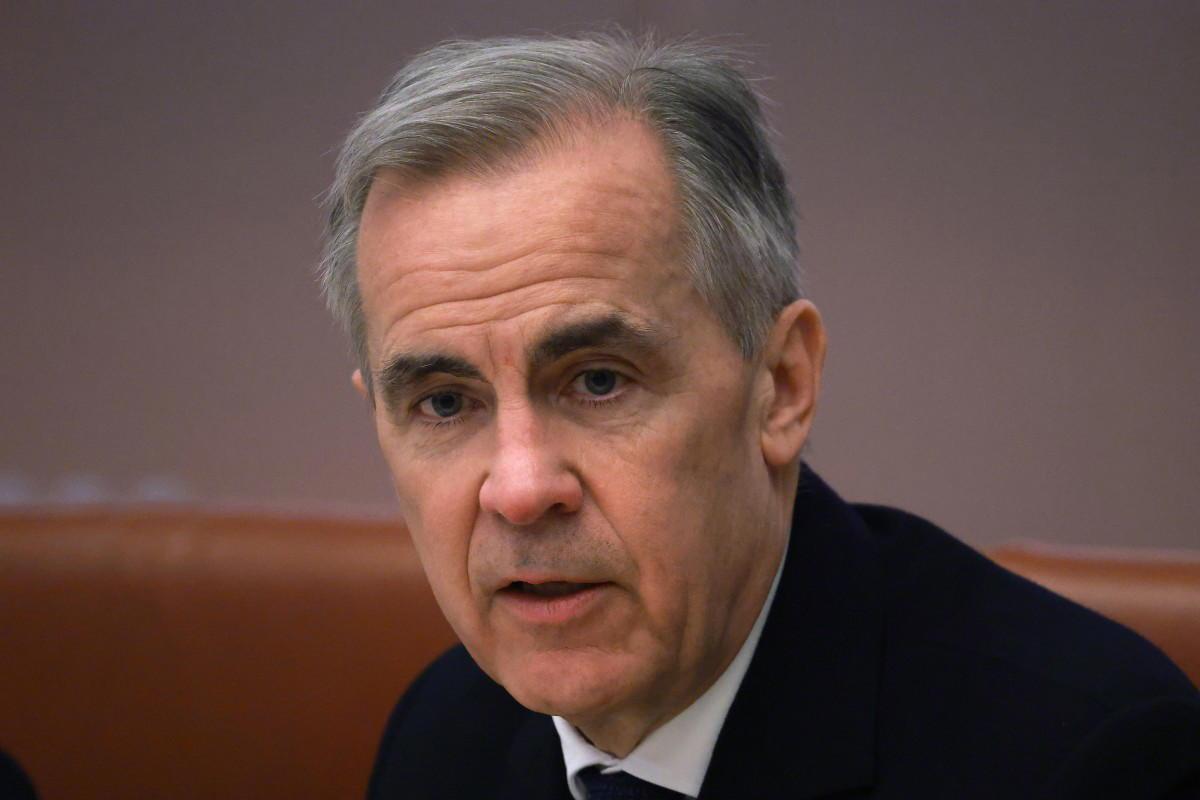
The landscape of international diplomacy witnessed a potential tremor today as Canadian Prime Minister Justin Trudeau publicly declined to rule out the possibility of Canadian military involvement in a conflict with Iran. This statement marks a significant and notable hardening of Canada's traditionally diplomatic and peacekeeping-oriented foreign policy.
A Departure from Tradition
For decades, Canada has cultivated an international reputation as a neutral arbitrator and committed peacekeeper. Its role in conflict zones has largely been defined by mediation, humanitarian aid, and support for multilateral institutions. Prime Minister Trudeau's latest comments, therefore, represent a profound rhetorical shift. By openly placing a military response on the table, Ottawa is signaling that it views the threats posed by Iran's regional activities as severe enough to warrant its most serious national tools.
Geopolitical Implications and Strategic Alignment
This new posture does not exist in a vacuum. It directly inserts Canada into the volatile security calculus of the Middle East. Analysts suggest this move indicates a closer alignment with the strategic concerns of key allies, potentially including the United States and other NATO members who have long viewed Iran with apprehension. The statement acts as both a diplomatic signal to Tehran and a reassurance to partners that Canada is prepared to contribute to collective security efforts beyond soft power.
Ambiguity as a Strategy and a Concern
Significantly, the Prime Minister offered no specific conditions or triggers for such military action. This ambiguity serves a strategic purpose: it acts as a deterrent by keeping adversaries uncertain about the red lines that would provoke a response. However, it also raises critical questions for Canadian citizens and the international community. What parliamentary or legal frameworks would authorize such a deployment? What national interest threshold must be crossed? The lack of clarity leaves room for both strategic maneuvering and public concern.
The Nigerian Perspective
For a nation like Nigeria, deeply integrated into global systems, such shifts in Western foreign policy matter. Escalation in the Middle East can destabilize global energy markets, affecting oil prices and economic planning. It also impacts the vast Nigerian diaspora and influences the broader international alliances within which Nigeria operates. As a significant voice in Africa and the Global South, Nigeria's diplomatic corps will be watching this Canadian evolution closely, assessing its impact on multilateralism and global stability.