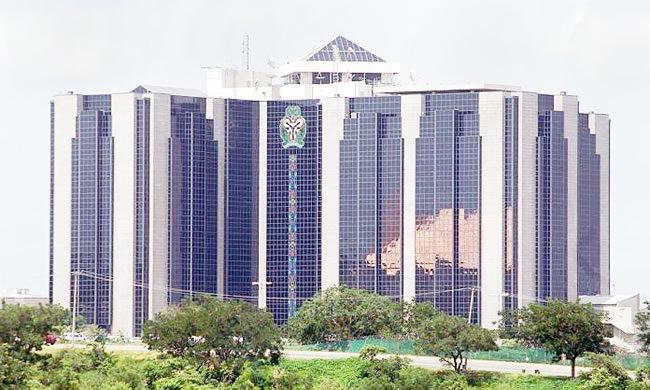
The Central Bank of Nigeria has imposed a strict daily transfer limit of 20,000 naira on all mobile banking channels, effective immediately. This directive caps the total amount a customer can send via mobile banking platforms within any 24-hour period. The sudden policy shift will immediately constrain the financial activities of millions of Nigerians who rely on these services for daily commerce and personal transfers.
Mobile banking, which includes transactions conducted via USSD codes and banking apps, has become a primary channel for financial inclusion across Nigeria. The new limit represents a drastic reduction in transaction capacity for individuals and small businesses. For many, it effectively curtails the ability to pay for significant expenses, transfer funds to family, or conduct business payments through these digital means.
The CBN's directive provides no immediate public explanation for the severe restriction. Banking industry sources confirm the cap applies universally across all licensed deposit money banks and mobile money operators. Financial institutions are now required to reprogram their systems to enforce the 20,000 naira ceiling on a rolling 24-hour basis for every customer account.
This policy arrives amid broader efforts by the CBN to manage liquidity and promote a cashless economy. However, the specific timing and extreme nature of the cap suggest it may be a reactive measure to other economic pressures. The limit is low enough to disrupt routine economic activity, potentially forcing a shift back to physical cash or alternative, less regulated channels.
Small and medium-sized enterprises that depend on quick mobile payments for inventory, salaries, and services will face immediate operational hurdles. A single transaction for bulk airtime purchase, a common business expense, could now exceed the entire day's allowed transfer limit. The constraint effectively segments larger financial activities into smaller, inefficient pieces or blocks them entirely.
For the average Nigerian, the cap complicates common financial responsibilities. Sending school fees, contributing to cooperative savings groups (esusu), or paying a significant utility bill in one transaction becomes impossible under the new rule. This forces individuals to either spread payments across multiple days or seek out physical banking halls, increasing time and transport costs.
The banking sector must now scramble to implement technical controls and communicate the change to a vast customer base. Banks are expected to update their USSD menus and app interfaces to reflect the new limits and possibly warn users as they approach the daily ceiling. Customer service lines are likely to see a surge in complaints and confusion regarding the policy's scope and duration.
The CBN has not announced an end date for the restrictive measure, leaving open whether this is a temporary circuit-breaker or a longer-term policy shift. The next signal will likely come from official communications or adjustments following an assessment of the cap's impact on financial system stability and digital transaction volumes. Banking associations may also seek clarification or appeal for a revised, higher limit in the coming days.