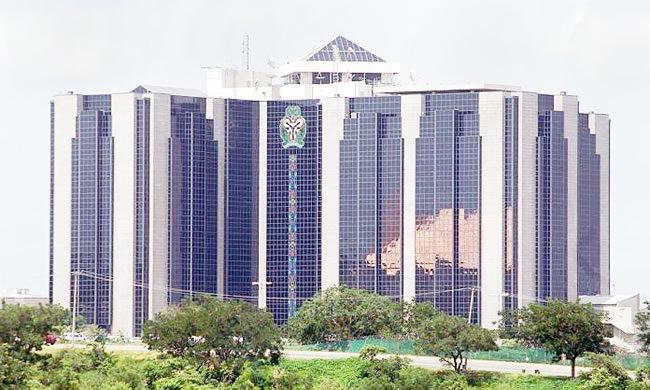
The Central Bank of Nigeria (CBN) has issued a new deadline for banks and financial technology companies, commonly called fintechs, to implement automated systems designed to catch money laundering. This directive forces a wide range of financial service providers to upgrade their technology for compliance. The move is part of a broader push to modernize Nigeria's defenses against illicit finance.
Money laundering is the process of making illegally-gained money appear legal. It often involves moving funds through complex transactions to hide their criminal origin. For a country like Nigeria, which has faced international scrutiny over financial crime, having strong anti-money laundering (AML) systems is crucial for economic stability and global reputation.
The CBN, which acts as Nigeria's main financial regulator, is responsible for setting rules that banks and fintechs must follow. Its new order specifically targets 'automated' AML systems. This means institutions cannot rely solely on manual checks by employees. Instead, they must use software that can automatically flag suspicious transactions based on pre-set rules and patterns.
Think of it this way: an automated system is like a high-tech security camera that never blinks, constantly scanning millions of transactions for red flags. A manual system is more like a security guard who has to check every single person individually—a process that is slower and more prone to human error, especially as digital transactions grow.
This is not the first time the CBN has pushed for such automation. The existence of a 'new' deadline implies that previous timelines were set but may not have been fully met by all institutions. Setting a fresh deadline signals the regulator's increased urgency and could come with stricter enforcement for those who fail to comply.
For banks and established financial firms, implementing these systems is a major but often manageable IT project. For newer fintech startups, however, the cost and technical complexity can be a significant hurdle. These companies often operate with leaner budgets and may lack large compliance departments, making the CBN's deadline a particularly challenging mandate.
The broader significance lies in Nigeria's fight against corruption and financial crime. Effective automated AML systems help track the flow of dirty money, making it harder for criminals and terrorists to use the formal banking system. This protects ordinary customers and helps Nigeria cooperate with global anti-crime efforts led by groups like the Financial Action Task Force (FATF).
What happens next hinges on the specific date set by the CBN and the resources institutions dedicate to meeting it. Institutions will now be racing to either install new software or upgrade their existing systems before the cutoff. The coming months will reveal how smoothly this technological shift occurs and whether it leads to a noticeable increase in reported suspicious activities.