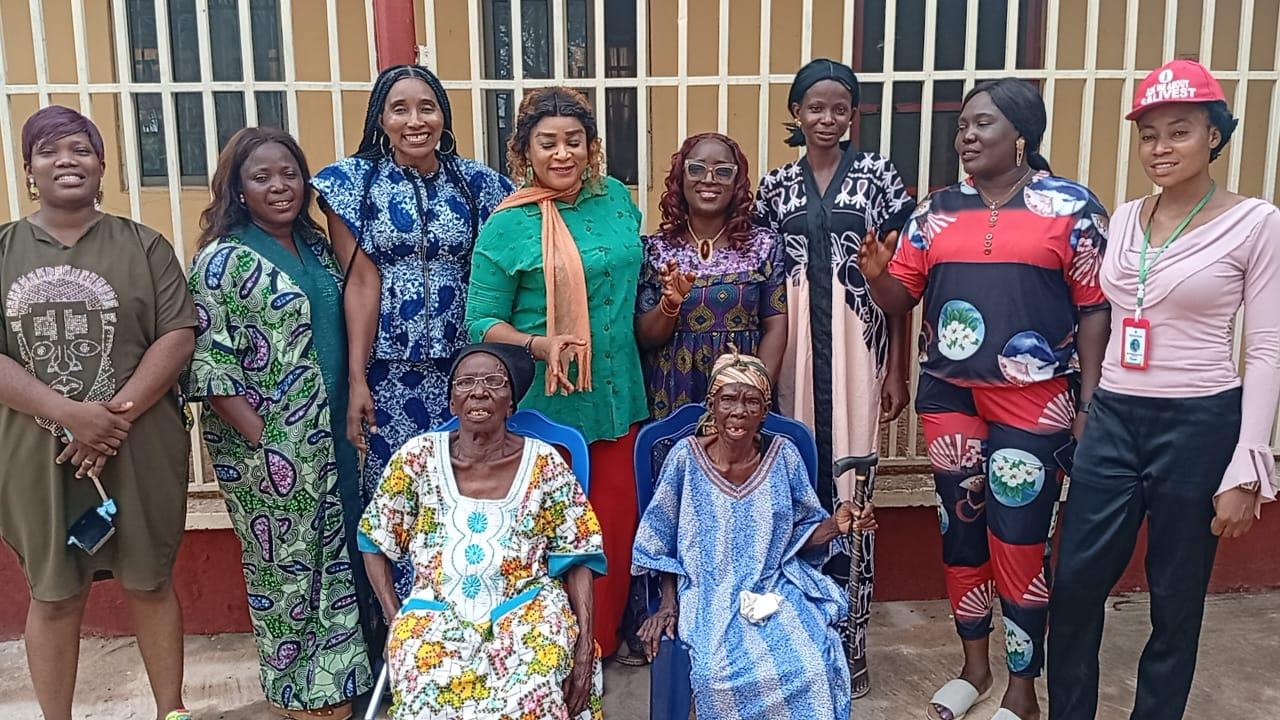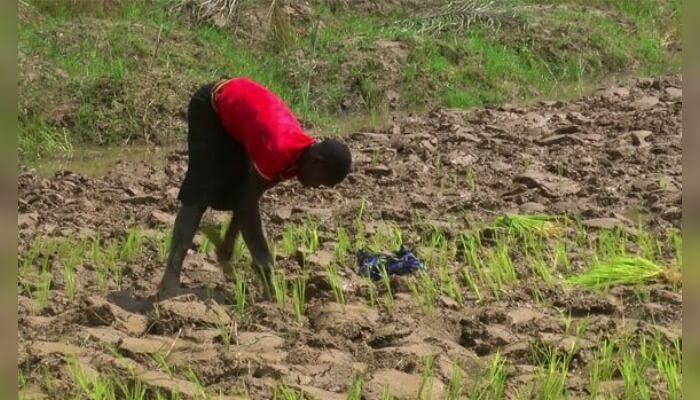
A collective of mothers whose daughters were kidnapped in the 2014 Chibok school abduction have established a farming enterprise as a means of rebuilding their lives. This agricultural initiative represents a significant pivot from a decade of advocacy and anguish toward tangible economic activity. The project is rooted in the community's need for sustainable livelihoods amid ongoing uncertainty.
These women, who became global symbols of a national tragedy, are now directing their energies into cultivating crops on shared land. The farming cooperative provides not only a source of income but also a structured communal purpose. It offers a daily focus beyond the relentless campaign for their daughters' safe return, which for many remains unresolved.
The transition from pain to enterprise underscores a profound resilience within the Chibok community. By pooling resources and labor, the mothers are creating an economic buffer against the poverty that often compounds such crises. Their work in the fields is both a practical survival strategy and a powerful statement of endurance.
Agricultural development in northeastern Nigeria has long been hampered by insecurity and displacement. This mother-led farming venture confronts those challenges directly, reclaiming land and productivity. The cooperative model could serve as a template for other communities affected by the Boko Haram insurgency, demonstrating how collective action can foster recovery.
The initiative has likely drawn support from local NGOs and women's groups familiar with the mothers' long-standing plight. Such partnerships are essential for providing initial seeds, tools, and training necessary to launch an agricultural project. The enterprise's success hinges on this blend of external support and internal determination.
For the broader movement seeking the girls' return, this economic turn adds a new dimension to the mothers' advocacy. Financial independence strengthens their platform, ensuring their voices are not solely defined by victimhood but also by agency and constructive action. It reframes their narrative within the context of community development and post-conflict rebuilding.
The Chibok mothers' farming project is more than an income-generating activity; it is an act of reclamation. They are cultivating hope and stability from the same soil that has witnessed profound loss. This endeavor stands as a testament to their unwavering resolve to shape a future for themselves and their community, regardless of the past's shadows.
As the farming season progresses, the cooperative will measure its success in harvest yields and strengthened communal bonds. The next phase will involve marketing their produce and potentially expanding their agricultural activities. This forward-looking work continues alongside their enduring demand for accountability and the safe return of all missing children.