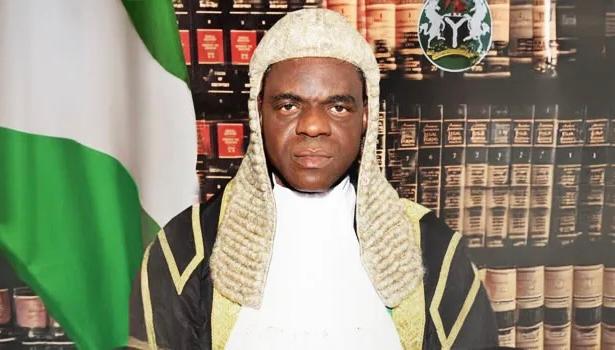
The headquarters of the Economic and Financial Crimes Commission (EFCC) became the unlikely venue for a high-stakes interrogation this week, as Federal High Court Chief Judge John Tsoho faced investigators over a significant sum of money discovered with his wife.
A Summons to the EFCC
Chief Judge Tsoho, who presides over Nigeria's most politically sensitive and high-profile financial crime cases, was summoned for questioning. The catalyst was the discovery of 160,000 reportedly in the possession of his spouse. Sources describe the session as lengthy and intense, with EFCC operatives seeking clarity on the origin, purpose, and the nature of his wife's connection to the funds.
The Gravity of the Situation
The direct interrogation of a sitting chief judge is an exceptional event, signaling the seriousness with which the anti-graft agency is treating the matter. It moves beyond a simple inquiry into a family member's finances, potentially touching on allegations of illicit enrichment. This probe strikes at the heart of judicial accountability, a cornerstone of public trust.
Implications for the Judiciary
As the head of the Federal High Court, Judge Tsoho's courtroom is the battleground for cases involving top politicians, major economic disputes, and electoral challenges. The integrity of this court is paramount. Anti-corruption advocates argue that unexplained wealth, even if indirectly linked, can erode confidence in the impartiality of rulings delivered from his bench.
What Happens Next?
The EFCC is now tasked with a delicate investigation. They must forensically trace the money's trail while navigating the protocols surrounding a senior judicial officer. The outcome will be closely watched as a benchmark for the agency's resolve to tackle corruption at all levels of power. A decision on whether to pursue formal charges is expected in the coming days.


