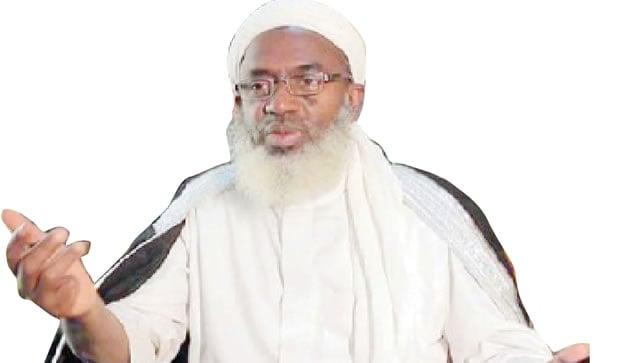
A public accusation by prominent Islamic cleric Sheikh Ahmad Gumi has sent shockwaves through Nigeria's security discourse. In a widely circulated video statement, Gumi asserted that state security agencies possess precise intelligence on the identities and locations of terrorist groups operating within the country.
The Core Accusation
Gumi's claim directly challenges the foundational narrative presented by government communications, which frequently cite the challenges of asymmetric warfare and the difficulty of pinpointing militants embedded within civilian populations. "The government knows them," Gumi stated, framing his assertion as a matter of public knowledge, though he did not provide documentary evidence in the video.
Implications for the Security Crisis
If accurate, Gumi's allegation suggests a significant disconnect between intelligence gathering and operational action. It implies the protracted conflict in Nigeria's northern regions may stem from constraints—political, logistical, or strategic—beyond a simple lack of information. This raises immediate and uncomfortable questions for national security leadership about the utilization of existing intelligence.
The Messenger's Credibility
Sheikh Ahmad Gumi is a controversial but influential figure with a history of acting as an intermediary in negotiations for the release of kidnapping victims. His reported access to and dialogues with various armed factions grant him a unique, if contentious, perspective. This background lends particular weight to his accusations, as they originate from someone with insider knowledge of the conflict's dynamics.
The Official Narrative Under Pressure
The video's release amplifies public scrutiny amid a prolonged security crisis characterized by kidnappings and attacks. Gumi's statement forces a re-examination of the official stance and places pressure on security agencies to either refute the claim with evidence or explain the gap between intelligence and results.