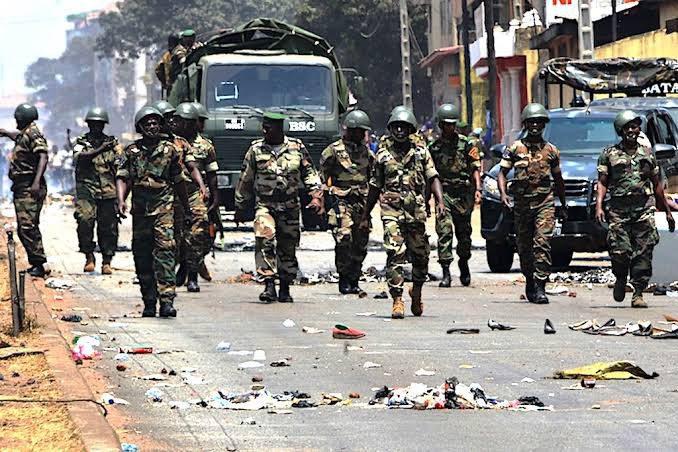
A provocative opinion piece titled 'If You Won't Protect The Soldiers, Who Will Protect The Nation?' is reframing the conversation around national security. Authored by Muhammad Bashir Abdulhafiz, the commentary moves beyond abstract notions of defense to focus on a reciprocal obligation: the state's duty of care to its armed forces.
The Core Argument: Security as a Two-Way Street
The article's central thesis uses its title as a direct challenge. It posits that a nation's defensive capacity is intrinsically linked to the welfare of the individuals who serve. This includes adequate equipment, comprehensive healthcare, family support systems, and robust legal safeguards. The implicit critique targets any perceived gap between the sacrifices demanded of soldiers and the support provided in return.
The Human Element of Defense
Military effectiveness has long been understood as a combination of advanced technology and trained personnel. This commentary emphasizes that neglecting the human element—soldier morale, health, and post-service security—creates a critical vulnerability. No amount of sophisticated hardware can fully compensate for a force that feels undervalued or unsupported.
Budgets and Strategic Priorities
The timing of this argument is significant. As many nations grapple with modernizing their armed forces amid fiscal constraints, public debate often centers on the cost of new ships, aircraft, and cyber capabilities. This piece demands a parallel focus on personnel costs, which typically constitute the largest portion of any defense budget. Analyzing spending trends can reveal whether investment in soldier welfare is keeping pace with procurement of new systems, offering a clear indicator of a government's true strategic priorities.
The Policy Implications
From a policy perspective, the question raised necessitates a holistic review of defense strategy. It suggests that long-term national security is not just purchased with equipment but built through sustained investment in people. Programs covering housing, mental health, family resilience, and veteran transition are not peripheral benefits but core components of military capability.
This commentary serves as a crucial reminder that the contract between a nation and its protectors is fundamental. The strength of a nation's defense may ultimately be measured by how well it defends its defenders.